Retail Innovators | From tactical to strategic with Clair Carter-Ginn
Forecast Agency Partner shares learnings and trends on content creation for e-com, talent and casting in a post-pandemic era.
Published byLooklet/November 5, 2021
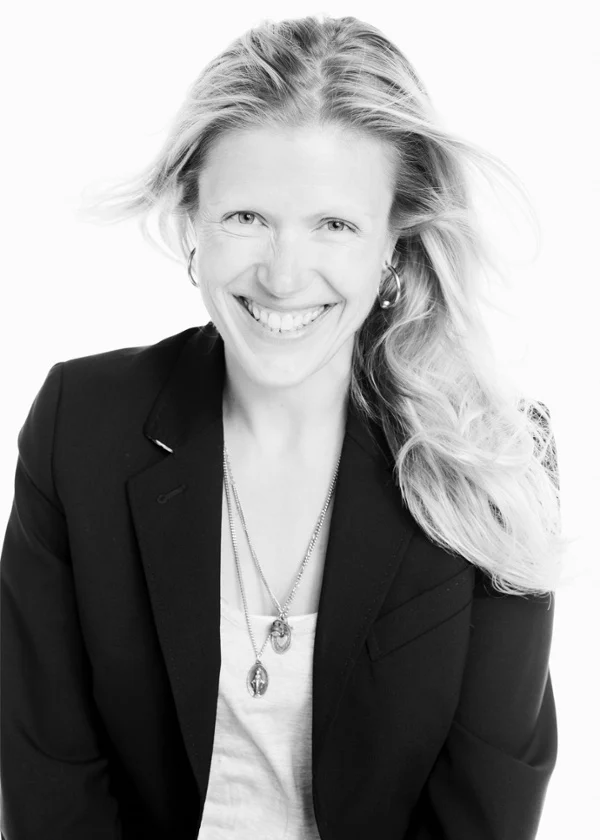



Can you give us an intro to your background?
At Forecast, we consult on all things creative + studio operations and casting for a variety of fashion and retail clients – from high street to high end – I’ve worked with LVMH, UnderArmour, Bulgari, Stella McCartney, Michael Kors, REI, Gap, Target and more.
We partner with our clients to identify and implement big picture strategies + best practices around creative and content creation to ensure they can meet the needs of today’s content velocity.
I come from a unique background – in that I started as a copywriter, and then moved into shoot production and eventually into leadership around content strategy and creation. Before I joined Forecast, I was VP of creative and studio operations at Michael Kors, overseeing our in-house agency and internal and external studio teams.
When it comes to content production for e-commerce, what are the biggest changes you’ve noticed internally at brands and retailers since covid-19?
The Digital Transformation and Digital focus that many companies have had to undertake due to Covid has meant a change in the type and frequency of content that consumers expect, and in many cases that means an increase in the volume of content we have to create. Many times this is without having additional resources or budget, and we’re having to do this alongside reopening the studios and offices, having challenges around samples (the Sample Conundrum, as I call it), as well as getting Equipment, hiring staff in a very competitive marketplace, onboarding remotely, etc.
So – while we must stay tactical and agile – we benefit from looking at a longer-term strategy. Oftentimes, our teams are so busy *doing* the work, they don’t have time to be strategic about the work. Take time to work on your strategy upfront – it’ll save you time in the end. One thing to remember: good process and strategy reduces the work – especially the rework.
What are the most important gains and learnings for creatives after producing content during a crisis?
It’s all about growth.
Right now, as we hopefully are coming out of the pandemic, and creating our new “normal” for our in-house agencies and studios and our content creation process overall, I think growth is about moving from the tactical to the strategic.
We’re getting out of the weeds and into a place where we can start to be strategic about content creation again – which means that we’re able to move from being “reactive” to “proactive”. Overall – we’re able to move from a tactical approach to creating content to a strategic one.
Thus: a big question many of us are asking now is: how do we move forward?
And that’s what I’m excited to dive into with clients.
That said, two trends that I recommend every organization consider adding to their workflow are:
Have you seen your partners’ needs changing in terms of talent and casting? In what way?
The first thing that’s influenced casting and talent selection/booking is the change in how we shoot. In many ways, COVID changed everything – brands started:
We also saw an increase in requests for real couples, families or pods of friends. This meant that the model could bring his or her family and brands were able to shoot parents, kids, grandparents, etc. on the same day. With the pods of friends, not only were brands able to book talent who already were exposed to each other regularly but also were very comfortable together, which led to an authenticity that resonates with consumers.
Some of the brands we work with decided to make this part of their strategy – which changes the look of their e-comm – which I think can be very exciting for consumers.
We also work with many brands on casting local models and talent – taking a closer look at local talent, instead of flying people in. Oftentimes this results in an exciting mix of “real people” and experienced models.
Now that we’re settling into a “new normal”, everyone is still being very cautious, of course, but we have more flexibility in how we choose and book talent. Because talent is traveling again, we have the option to bring in specific talent from other locations as needed.
We’ve been focusing on working with our clients to develop a “talent strategy”, including:
Also – there is an increase in Diversity + Inclusivity, which is fantastic news. Generally speaking, the industry is more diverse and inclusive than it was, but we still have a long way to go.
Many brands that traditionally haven’t included size diversity are now shooting plus/curve. And brands are putting budget towards samples so they can shoot multiple sizes. Mid-range samples are still an issue (size 8/10, for example), and oftentimes for PDP, it comes down to what samples are available.
Also – we’ve seen an increase in clients looking for very specific ethnic diversity depending on their customer base – for example – not just “Asian” talent – but specifically Japanese models; or Indian models from a specific region. Customers want to see talent that is aspirational, but that they can also identify with.
And we’re seeing some age diversity and clients booking differently abled talent, but we still have a long way to go overall.
One thing I recommend to clients is to reach out to vendors and partners – like Looklet – to understand what the options are around talent and sizing and where the technology is going – so that we can all be strategic about our talent strategy going forward.
At the end of the day – data is key for content creation overall. Testing can be so helpful to understand what your customer wants in terms of talent, and your content overall.
Few sectors in the fashion industry are developing as fast as e-commerce. What are your insights to create more content, faster and with the same budget and resources?
Take time to be strategic. Know what the overall business strategy is, and make sure that influences your content strategy.
Based on your experience, what would you say is the right mix between in-house talent and outsourced for brands and retailers to be able to flex up and down?
I think it absolutely depends on the brand. This is often what I help clients delve into and plan for – where are they now, and where do they want to go? That will influence the mix, along with their current structure, workflow, asset production needs and strategies, etc.
What advice would you give to creative leaders and content strategists to find production efficiencies for e-commerce in the post-pandemic era?
Investigate what’s happening in the industry. The creative, design and studio ops community is growing so fast – and we need more content, more community events and roundtables and resources – that’s something I’m working on currently with Nish Patel. (Stay tuned on that!)
But I recommend Ops Pros attend events like Henry Stewart’s Creative, Design and Photo Studio Ops events, reach out to your peers and ask to meet or Zoom to discuss what they’re up to, ask your external partners what they’re doing and what they see others in the industry doing for ideas about best practices, and meet with new vendors to see where the tech is headed.
In your opinion, what role should technology play for content creation in a digital-selling environment?
It is absolutely key – but – I always tell clients: Firstly – Know Thyself.
Before investing in any tools – go back to your basics – you’ve got to understand your people and build your process first.
One of the best quotes I heard last year was: “technology is only really good for business if the business is really ready to use it.”
A tool will not solve your problem. People and processes will solve your problem and the tool will enhance it and execute it.
Some tips:
How do you define ‘innovation’ within creative operations?
Finding the sweet spot with your people, processes and technology that:
What’s your innovation mantra?
Review + IMPROVE – never stop looking at your people, process and technology and innovate what isn’t working, and optimize what is, to get you – and keep you – on the path producing the most meaningful results for your teams, your organization, and your customers.
Discover how our AI powered e-commerce solution combines the best of both worlds: real and AI generated models, along with advanced virtual dressing room technology to enhance your digital dressing experience. If you’re interested in learning more about how we can support your brand, feel free to reach out to us through the ‘Contact Us’ form at the bottom of this page!

Wehkamp partners with Looklet to create automated fashion photography
Read the full blog post
Looklet and Creative Force partner to Streamline eCommerce Content Production
Read the full blog post
Client Story: From warehouse check-in to online in 30 hours
Read the full blog post
 Body Diversity in your PDP for inclusivity and increased sales