How Can Fashion Brands Turn AI Into Growth? 6 Looklet Use Cases
Published byEmma Campbell/October 21, 2026
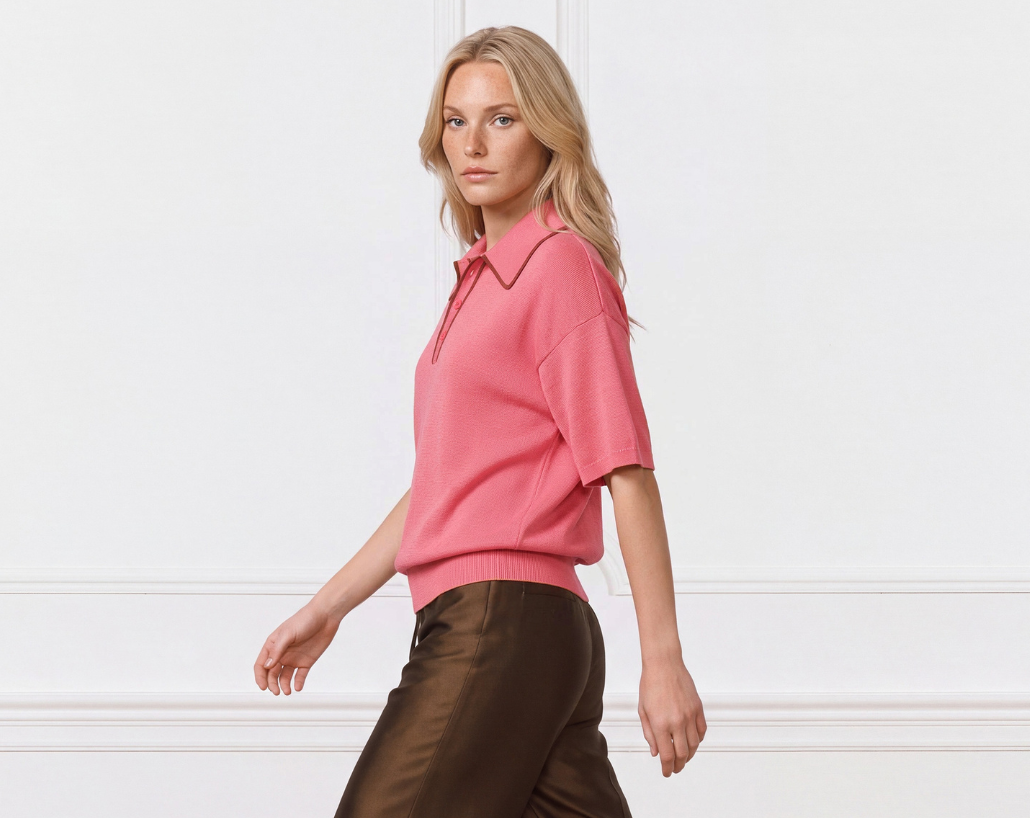



Fashion brands turn AI into growth by using it where content cost and speed limit revenue: creating on-model imagery from product photos they already have, adding video to product pages, restyling without reshoots, and scaling one image library across every channel and customer. Done well, this cuts production costs by 40–50% and gets products online up to 88% faster than traditional studio photography.
Most brands don’t need convincing that AI can make images. The harder question is where it actually moves the numbers. After 17 years producing fashion imagery for retailers such as Holt Renfrew, Stockmann and The Very Group, these are the six use cases where we see the clearest return.
Ghost to model lets retailers create photorealistic on-model imagery from product photos they have already shot – ghost mannequin, flat lay, hanger or vendor images – with no model, photographer or studio booking. It is the fastest way to give every SKU on-model content, including the long tail that never makes it onto a shoot schedule.
The business case is straightforward. On-model images help shoppers judge fit and proportion, but traditional shoots limit how many products get them. Ghost to model removes that ceiling. Teams upload front and back images, Looklet processes them with a human quality check, and stylists build looks in Look Creator. Finished images are delivered end of day or next day.
The numbers compared with traditional on-model photography:
| Metric | Looklet ghost to model | Traditional on-model shoot |
|---|---|---|
| Time to market | Up to 88% faster | Weeks of planning and booking |
| Production cost | 40–50% lower | Baseline |
| Daily output | Up to 500 images | Around 60 images |
| Team needed | 1–2 junior stylists | Photographer, model, hair and make-up, stylist |
Accuracy is where generic AI tools tend to fall short. A neckline shifts, sequins smooth out, a colour drifts from the original garment. Looklet generates four image options per look, compares them against the source garment and refines the details before export, so the product on screen matches the product in the box. Read more on why AI adoption is accelerating in fashion imagery.
Stockmann cut turnaround time by 60% and has created more than 50,000 images with Looklet. “Looklet has revolutionized our cost structure, allowing us to significantly reduce expenses per item,” says Heidi Kontuniemi, Manager of Digital Sale Preparations at Stockmann.

AI fashion video turns existing on-model images into short motion clips that show how a garment moves, drapes and fits – without a video shoot. Brands request the video from images already created in Look Creator, using four angles: front, front right, back and back left.
Video answers the questions that stall a purchase: how the fabric falls, how it moves, what the back looks like. Traditionally, only hero products got video because each clip meant studio time and post-production. Generating it from existing assets makes video a standard layer across the catalogue instead. Holt Renfrew saw a conversion increase of around 30% after adding AI video to its product pages. Some clients also run video in the category listing view, so shoppers see motion before they even click.
Video also supports discovery. Pages that hold attention send stronger engagement signals to search engines and AI assistants – more on this in how AI video is powering GEO and why video matters in fashion e-commerce.
Restyling lets brands change the styling of an existing image – swapping shoes, tops or accessories – without booking a new shoot. It keeps images commercially useful for longer.
Three situations make this valuable. A new season arrives and last season’s looks need refreshing. A styling item sells out and the image now promotes something customers can’t buy. Or a team wants to A/B test two looks to see which converts better. In each case, the original garment stays the same and only the styling changes. Image metadata can also power “Shop the Look” and “Wear it with” modules on the product page, turning one image into a cross-selling tool.
Looklet can change image backgrounds in bulk so the same product imagery meets the requirements of Amazon, Zalando, AboutYou and other marketplaces. Brands produce once and publish everywhere.
Marketplaces each set their own image rules, and producing separate assets for each channel adds cost with no extra revenue. Changing backgrounds across the image library removes that duplicate work and gets products live on new channels faster. The same capability lets brands update their own site’s look across the full archive in one go.
For more on how speed turns into revenue, see From One Week to One Day: How AI Is Compressing Fashion E-Commerce Time-to-Market.
Exclusive AI models are custom-designed faces created for one brand, matched to its identity, visual direction and customer profile. No other retailer can use them.
Consistency is hard to hold at scale. Different studios, lighting setups and models gradually pull a brand’s imagery in different directions. Exclusive models, combined with automatic styling templates, keep every image on-brand across thousands of SKUs and every market. That matters most for premium and luxury brands, where a recognisable signature look supports price positioning. Brands can also combine Looklet’s real digitised models with AI-generated ones. We cover the wider case in the business case for brand voice.
Looklet produces on-model imagery across womenswear, menswear, curve & plus size, big & tall, maternity and kidswear (ages 3 and 6) in one platform, with the same image quality across each. Most AI fashion tools are built for one or two body types.
For a department store or multi-category retailer, that means one workflow and one supplier instead of patching together tools by category. AI body sizing lets teams change body type to reflect their audience, so shoppers can picture how a garment fits someone like them. Better fit understanding supports conversion and reduces avoidable returns.
Start with the use case that removes your biggest production bottleneck – for most retailers, that is ghost to model. It works from images you already shoot, delivers the fastest cost saving, and creates the on-model foundation that video, restyling and marketplace adaptation build on.
The brands pulling ahead treat content as infrastructure rather than a campaign cost, a shift we unpack in what McKinsey’s State of Fashion 2026 means for your content strategy. Every Looklet image carries C2PA metadata, so AI-generated content is labelled to the emerging global standard from day one.
What is ghost to model/image to on-model? Ghost to model is an AI process that turns ghost mannequin, flat lay, hanger or vendor product images into photorealistic on-model imagery. It removes the need for a model, photographer or studio shoot.
Can AI create on-model images from existing product photos? Yes. Looklet creates on-model imagery from front and back product images a retailer has already shot, with a human quality check, typically delivered the same or next day.
How much does AI fashion imagery save compared with photoshoots? Looklet clients typically reduce production costs by 40–50% and get products online up to 88% faster than with traditional on-model photography.
Is AI-generated fashion imagery compliant with AI labelling rules? Looklet includes C2PA metadata on every image, the emerging standard for certifying AI-generated content, and tags images so retailers can add AI disclaimers on the product page.

What McKinsey’s State of Fashion 2026 Means for Your Content Strategy
Read the full blog post
Data-Backed Guide For Fashion PDPs: How Many Images Does a Product Need?
Read the full blog post
Digital Fashion: Shaping the Future of Apparel Retail
Read the full blog post