Four Conversion Principles for AI-Powered Fashion Imagery in 2026
Published byEmma Campbell/September 11, 2026




Consumers have more product information at their fingertips than ever before, yet uncertainty still remains one of the biggest barriers to online purchases. Shoppers want to know pretty much exactly how a garment fits, how the fabric behaves, how the color looks in context, and whether the product will meet their expectations in real life.
This makes imagery one of the most important conversion tools in online fashion retail. Professional, high-quality product visuals help reduce that hesitation and give shoppers the confidence they need to make a purchase.
At the same time, AI is changing how fashion imagery can be produced. Retailers can now create and scale visual content much faster than before. Much of this shift is powered by image-to-model technology, which generates photorealistic on-model imagery directly from product or flat-lay photos — removing the need for a physical shoot at every step. But speed alone does not drive conversion. The real opportunity lies in using AI to create imagery that is more relevant and more commercially effective.
While the technology behind content creation is evolving rapidly, the fundamentals of conversion remain unchanged. Shoppers still need to understand what they are buying, trust what they are seeing and feel confident that the product will meet their expectations. AI does not change these requirements. What it changes is retailers’ ability to meet them more consistently, test new approaches more efficiently and optimize visual content at a scale that was previously difficult to achieve. The question for retailers is no longer whether to use AI, but how to use it in ways that genuinely improve the customer experience and support commercial performance.
Below, we outline four conversion principles that every fashion retailer should consider when building an AI-powered content strategy.

Different shoppers respond to different visual contexts, models, poses, styling choices and formats. A customer browsing occasionwear may respond differently to the same dress shown in a studio, at an event or styled in a more casual setting. More images of the same scenario rarely create the same commercial value as testing genuinely different visual approaches.
The old approach was to produce more assets. The 2026 approach is to produce more meaningful variations. So, instead of relying on one visual direction, create and test multiple versions of product imagery to understand which contexts drive stronger engagement, add-to-cart rates and conversions.
High-performing fashion imagery reduces uncertainty. Every image should answer a purchase-related question:
When these questions remain unanswered, shoppers are forced to imagine the answers themselves. That creates friction. The more clearly imagery communicates fit, material, scale and styling potential, the easier it becomes for customers to make confident purchase decisions.
Shoppers are more likely to engage with imagery that helps them understand how a product could fit into their own lives, wardrobes and preferences. At the same time, retailers must approach AI-powered personalization responsibly. Transparency, governance and visual accuracy matters. If customers feel misled by AI-generated content, the result is not higher conversion — it’s lower trust. That’s also why AI-generated fashion imagery still needs a human check: accuracy, not just polish, is what earns customer trust.
The strongest use of personalization is not to create endless versions of the same product image, but to make product presentation more useful, inclusive and decision-supportive.
Creative teams often optimize imagery based on aesthetics. But, and it needs to be said: the best-performing image is unfortunately not always the image the creative team likes the most. Conversion optimization requires a different question: what actually performs?
Test imagery based on commercial outcomes, not internal opinions. Engagement, click-through rate, add-to-cart rate, return behavior and conversion should all influence how visual content is produced and refined.
AI makes this feedback loop faster, so leverage this. AI is reshaping fashion content production at a pace that makes rapid testing realistic for the first time: create multiple image variations, measure how customers respond and use those insights to improve future content. Over time, imagery becomes less subjective and more performance-driven.
The challenge is not understanding these principles, but applying them consistently and at scale. Creating meaningful visual variations, reducing customer uncertainty and continuously optimizing performance requires a content production approach that is both efficient and commercially reliable. With the right technology and production framework, retailers can move beyond simply creating more content and start using AI-powered fashion imagery that is designed to convert.
Looklet helps fashion brands scale on-model imagery without compromising the standards that drive performance. Built specifically for fashion e-commerce, Looklet combines controlled model and styling options, automated workflows and built-in refinement tools, including quality control that keeps every image true to the source garment to help retailers create content that is fast to produce, flexible to adapt and ready to support commercial growth.


Deconstructing Imagery with Looklet’s CPO Robert Ahlborg
Read the full blog post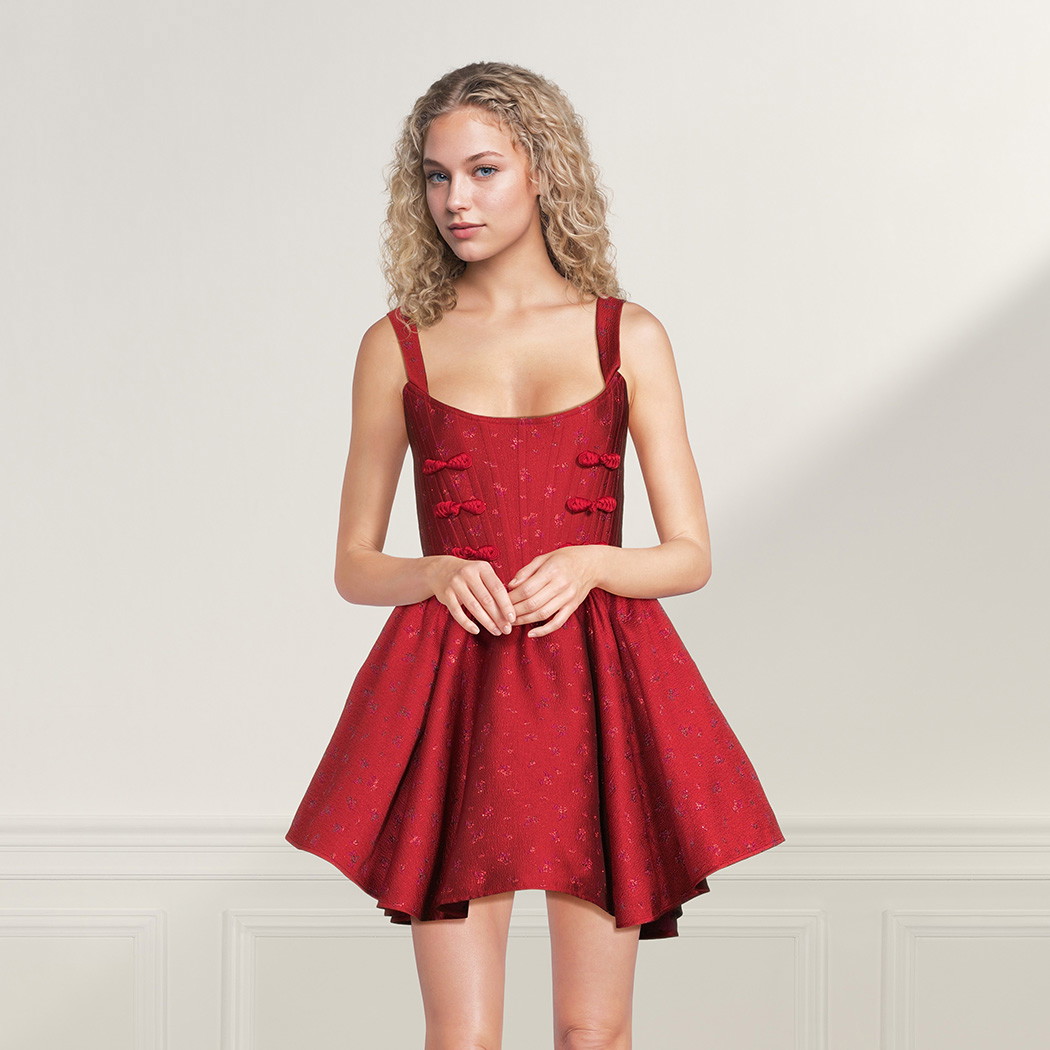
Looklet Launches Virtual Studio – Create On-Model Imagery in Minutes
Read the full blog post
Wehkamp partners with Looklet to create automated fashion photography
Read the full blog post
 From One Week to One Day: How AI Is Compressing Fashion E-Commerce Time-to-...