Does AI Video Actually Convert on Product Pages? Here‘s What Holt Renfrew’s Data Shows
Published byEmma Campbell/September 16, 2026
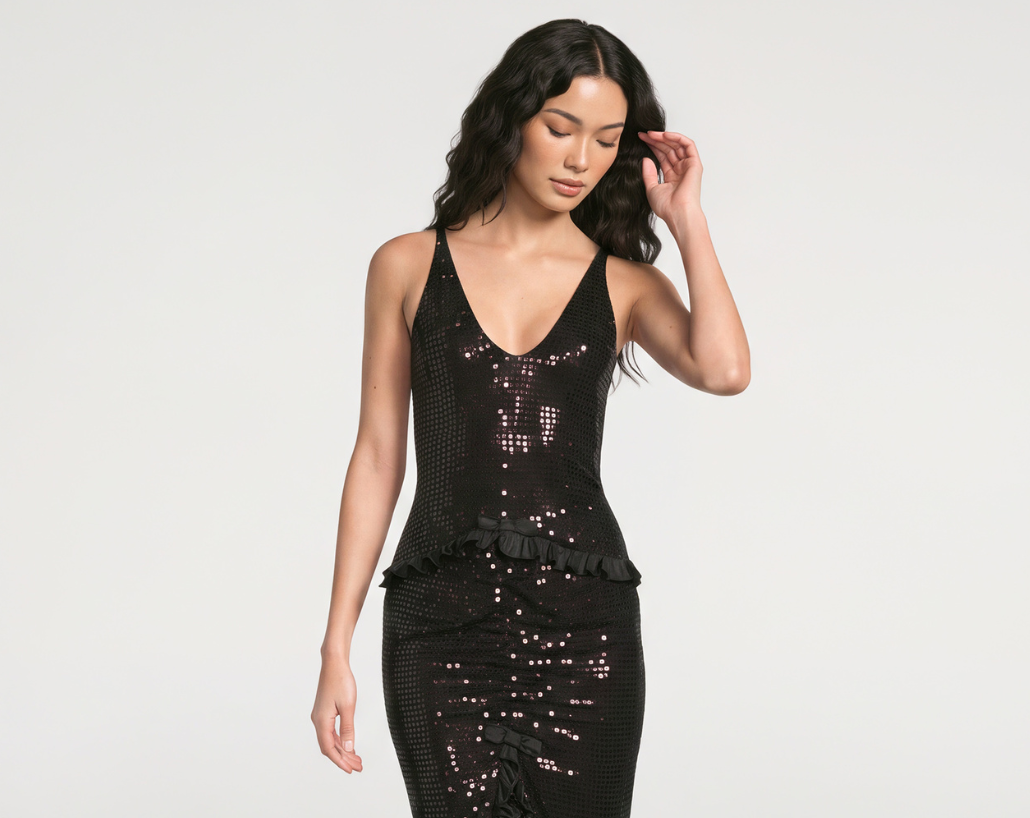



AI-generated product video lifted conversion by roughly 30% against the site-wide baseline when Holt Renfrew trialled it across product pages with Looklet over a three-month window. The uplift wasn’t carried by a handful of bestsellers either — the majority of tested products saw at least one conversion. Here’s what the data shows, and what it means for retailers weighing whether AI video is worth adding to their product pages.
Luxury e-commerce has a conversion problem that no amount of clever merchandising fully solves: the customer is considered, the price point is high, and the buying decision often takes longer than a single session. Against that backdrop, a 30% lift in anything is worth a second look.
Between February and April 2026, Holt Renfrew added AI-generated video to product pages across 181 SKUs and tracked on-site performance through session analytics. The window was deliberately chosen: full-price, non-sale months, so the May seasonal sale which drives a site-wide traffic spike wouldn’t distort the numbers.
Rather than comparing “before” and “after” on the same pages, performance was benchmarked cross-sectionally against the site-wide product page conversion rate over the same period. It’s an important distinction, and one worth being upfront about: this isn’t a controlled A/B test, so the results point to a strong association rather than a proven causal lift. Still, the pattern is consistent enough to take seriously.

The most reassuring part of the data isn’t the top-line lift — it’s how it’s distributed. 61% of products saw at least one conversion, meaning the uplift wasn’t being carried by one or two standout items. That’s the difference between “this video happened to work for a bestseller” and “this format is doing something structural.”
Interestingly, the pages with the most traffic didn’t necessarily convert the best — several lower-traffic pages significantly outperformed the average. The likely explanation: video helps most with visitors who are already engaged and closer to a decision, rather than driving casual browsers to convert on the spot.
Engagement data backs this up. Scroll depth ranged from 23% to 80% across products (averaging 35–44%), and median time on page sat between 8 and 18 seconds — both consistent with people actually watching, not bouncing. That kind of sustained engagement is also a signal that feeds directly into how AI-driven discovery systems surface and rank product content.
Luxury conversion rates are structurally low, and buying decisions are rarely impulsive. In that context, a 30% relative uplift, sustained across most of the assortment and backed by genuine engagement behaviour, isn’t a marginal bump — it’s a repeatable signal worth building a channel around.
For retailers weighing whether AI-generated video is worth the operational lift, Holt Renfrew’s trial suggests the answer depends less on hero products and more on giving already-interested shoppers a better reason to convert.


How To Navigate The Supply Chain Crisis
Read the full blog post
The PDP Feature Driving 65% Higher Conversions in Fashion E-Commerce
Read the full blog post
Retail Innovators | Global Operations Director Craig Campbell On The Biggest Challenge For Retailers in 2021
Read the full blog post