The Best AI Tools for On-Model Product Photography in 2026
Published byEmma Campbell/November 3, 2026
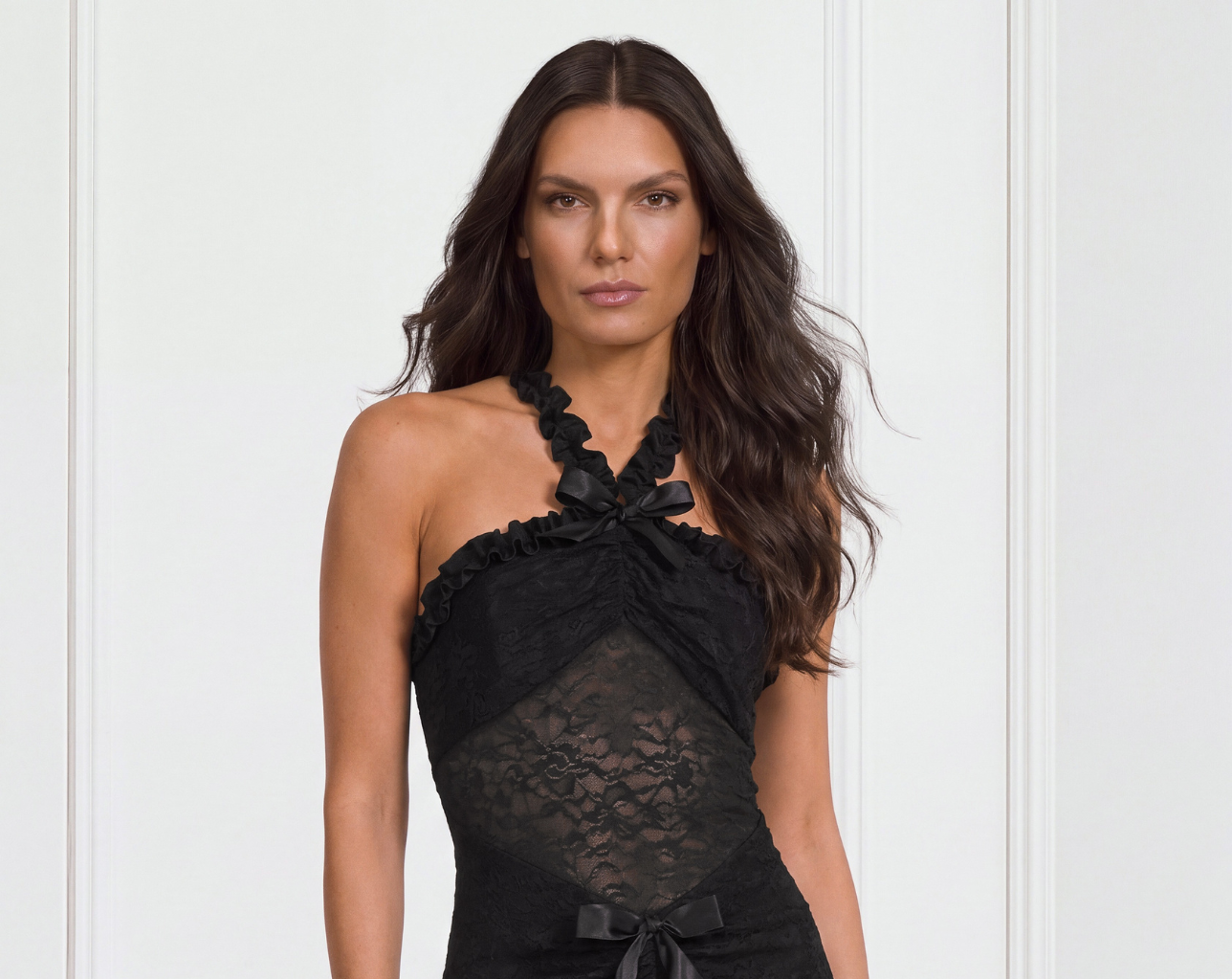



The best AI tool for on-model product photography depends on your volume and how much accuracy risk you can absorb. Retailers producing hundreds of images a day need garment fidelity, consistent models across the catalog, built-in quality control and content credentials such as C2PA. Smaller brands can often get what they need from self-serve apps, while general-purpose generators like ChatGPT suit concepts and social content rather than product detail pages.
The category has filled up fast, and most 2026 roundups are written for Shopify sellers with a few dozen SKUs. This one is for e-commerce and studio teams running imagery at catalog scale. Looklet is one of the tools on this list, so we have tried to name the trade-offs plainly, including where we are not the right fit.
A convincing demo image tells you very little. What matters is whether the tool holds up on your hardest items, every day, across the whole assortment.
| Criterion | Why it matters at scale | Question to ask the vendor |
|---|---|---|
| Garment fidelity | A shifted neckline or drifted colour becomes a return | How is output checked against the source garment? |
| Model consistency | The same model should hold across angles, SKUs and seasons | Can we lock a model for a full season? |
| Throughput | Daily output decides whether the long tail gets on-model images | What is realistic daily output, and who does the styling? |
| Size and category range | Plus, big & tall and kids are where many tools fall short | Which body types are covered at the same quality? |
| Compliance and rights | AI disclosure rules are tightening; model likeness needs clear rights | Is every image C2PA-tagged? Who holds model rights? |
| Workflow fit | Inputs, exports and integrations decide adoption | Can we use the vendor images we already have? |
For more on why accuracy checks matter, see why AI-generated fashion imagery still needs a human eye, and for the wider adoption picture, why AI adoption is accelerating across fashion e-commerce.
Looklet has built fashion imagery technology in Stockholm since 2009 and has produced more than 7 million assets for retailers including Holt Renfrew and Stockmann. Enterprise Image to On-Model turns flat lay, ghost mannequin, hanger or existing vendor photos into on-model imagery at 100–500 images a day; Enterprise Studio covers full in-house capture.
What sets it apart for large catalogs is the process around the AI: every item passes a human quality check against the source garment, teams choose from four pose options per look, and every exported image carries C2PA metadata. The model library combines 75 AI-generated models with around 83 real digitized models, plus exclusive models built for a single brand, across womenswear, menswear, plus, big & tall, maternity and kids.
Best for: high-volume retailers, department stores and multi-brand e-commerce.
This group turns garment photos into on-model shots through a web or Shopify app, usually on credit-based pricing. Botika is a fashion-focused Shopify app that generates on-model images and videos from on-model, flat lay and mannequin photos. Claid is a broader AI product photography suite that pairs on-model generation with background generation, upscaling and editing. WearView combines virtual try-on, AI model creation, product-to-model and video in one platform.
Best for: small and mid-size brands that want speed and low entry cost.
Trade-off: quality review generally sits with your team, and size range, model consistency across seasons and enterprise support vary by vendor. Test on your trickiest fabrics before committing.
Photoroom is strongest at fast background removal and editing across all product types, including on mobile. It is a useful layer in many workflows but is not built specifically for on-model fashion production.
Raspberry AI is built for design, merchandising and product development teams. In September 2026 it expanded into an agentic platform spanning design through e-commerce, including visualizing assortments on-model. It solves a different problem: visualizing products before they exist, rather than producing accurate PDP imagery of products that do.
OpenAI’s ChatGPT Images 2.0, released in April 2026, is available on every ChatGPT tier and produces strong photorealistic results from prompts. It is excellent for moodboards, campaign concepts and social content. The limitation for product pages is that it is designed to produce a convincing image, not to reproduce a specific garment faithfully and repeatably across thousands of SKUs. We compare the two in detail in Looklet vs ChatGPT for fashion product photography.
| Tool type | Examples | Best for | Built-in human QC | Watch for |
|---|---|---|---|---|
| Enterprise production | Looklet | Catalog-scale PDP imagery | Yes, on every item | N/A |
| Self-serve apps | Botika, Claid, WearView | Smaller catalogs, fast start | Usually your team | Consistency and size range at scale |
| Photo editing | Photoroom | Backgrounds, quick edits | No | Not on-model specific |
| Design-stage AI | Raspberry AI | Pre-production visualization | Varies | Different use case |
| General generators | ChatGPT, Gemini | Concepts, social | No | Garment accuracy, repeatability |
Start with the job, not the tool. If you need a few eye-catching visuals a month, a general generator or self-serve app will do. If on-model imagery is a daily production line feeding your PDPs and marketplaces, weigh accuracy, consistency and throughput above price per image, because the cost of a misrepresented garment shows up later in returns.
Whichever shortlist you build, run a pilot on your hardest items rather than your easiest: sequins, sheers, bold prints, plus sizes and kidswear. Looklet’s pilot uses 15 of your own items, so you judge the output on your product, not a demo.
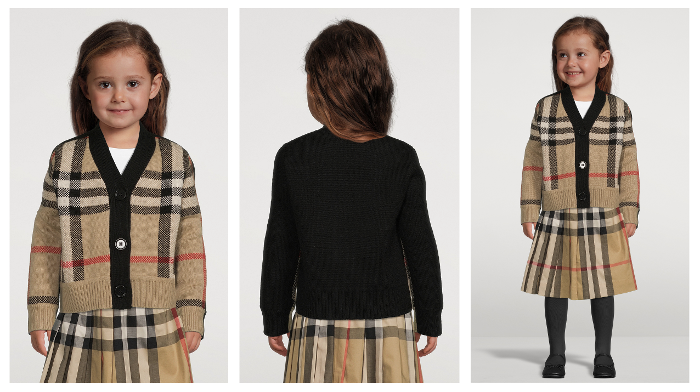
How to improve your online rates for Childrenswear
Read the full blog post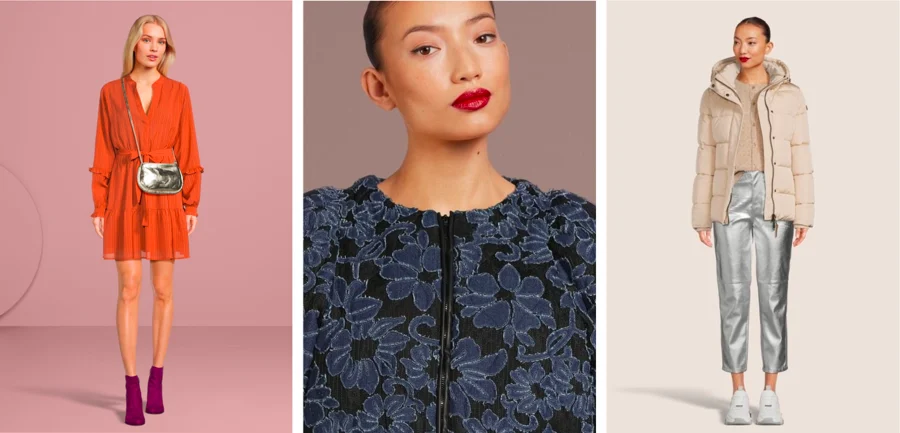
Wehkamp partners with Looklet to create automated fashion photography
Read the full blog post
Kids Clothing Photography For Ecommerce
Read the full blog post