The Quality Tax: What Fashion Brands Pay When AI Gets It Wrong
Published byEmma Campbell/September 3, 2026




Fashion has entered an era of relentless image demand. Products have to show up across commerce, social media, global markets, seasonal campaigns, and an ever-growing mix of channels. At the same time, teams are being asked to move faster, spend less, and protect the visual standards that make a brand recognizable.
AI has arrived with a compelling promise: solve fashion’s image-scale problem. But speed alone does not equal efficiency. When AI-generated imagery requires extra review, correction, or retouching before it can go live, brands are not eliminating production costs. They are moving them elsewhere.
In this article we examine the hidden cost of getting AI imagery wrong, and how to make sure you’re scaling with the right AI solution.
Fashion product images have a pretty clear and direct commercial job to do: they need to show the garment accurately, protect brand integrity, and give customers enough confidence to buy. While that may sound straightforward, anyone who has ever worked in fashion imagery production knows just how particular things need to be.
From the meticulous styling and constant on-set adjustments, to the clips and pins hidden at the back of a garment to make the front-facing image look flawless, to the hours spent in the studio and later in retouching, fashion imagery is anything but simple to produce. So it is no surprise that the fashion industry has become interested in using AI to streamline the process and speed up production. But when it comes to AI, and choosing the right tool for imagery, it is definitely far from a “tomayto, tomahto” situation. The quality of the output can vary significantly depending on the tool being used.
When AI does not produce imagery that meets the required quality standards; when it distorts a sleeve, weakens a silhouette, loses fabric texture, or casts the model off-brand, the production problem has not been solved. Instead, it has been pushed further down the workflow.

Suddenly, what looked like faster image production becomes extra review rounds, manual retouching and delayed launches. This is what Vogue Arabia has aptly called “the acceleration trap”: mistaking speed for progress. AI may help brands move faster, but if the output lacks accuracy, control or brand sensitivity, that speed quickly turns into extra work.
The internal workload does not shrink. It shifts. Teams spend less time producing the first version of an image, but more time reviewing, correcting, retouching, approving, and questioning whether the result is commercially safe to publish.
That is the quality tax: the hidden cost of making poor AI output usable. It is the time, effort and commercial compromise a brand still has to pay when imagery arrives quickly, but not accurately, consistently or confidently enough to go live.
The quality tax is not only paid internally. It also shows up in how customers perceive the brand. A recent survey of Vogue Business and GQ readers found that consumers are cautious about AI in fashion, not because they reject the technology outright, but because execution is still holding it back. While 58 percent agreed that AI can aid creativity in fashion, fewer than one in four believed AI-generated fashion campaign images and videos could be as valuable as human-made content. Just over half said they would feel more negatively toward brands using AI in the making of a luxury fashion or beauty product.
For retailers, this matters because imagery is often the first proof point a customer sees. Before they read a product description, check the composition or compare sizes, they respond to the image. Does the garment look real? Does the fabric feel believable? Does the overall expression feel intentional?
If the image feels synthetic, inaccurate or visually inconsistent, it reinforces the concerns consumers already have: that AI can make fashion feel less human, less creative and less desirable.
That is why quality cannot be treated as a final check. The right AI tool needs to protect the details that make fashion imagery credible in the first place. Otherwise, brands risk creating more content while weakening the very trust that content is meant to build.

Avoiding the quality tax requires a production model built around control, repeatability, and commercial readiness. That is where Looklet’s approach differs from generic AI image generation.
Looklet is built around a simple premise: speed only matters if the output is usable.
Rather than treating AI as a way to bypass the production process, Looklet uses technology to make high-quality fashion imagery scalable, controllable and repeatable.
Looklet helps fashion brands scale on-model imagery without compromising the standards that drive performance. Built specifically for fashion e-commerce, Looklet combines controlled model and styling options, automated workflows and built-in refinement tools to help retailers create content that is fast to produce, flexible to adapt and ready to support commercial growth.
That means clear product representation, consistent visual standards, scalable styling control and refinement built into the workflow. It also means reducing the burden on teams who would otherwise spend their time reviewing, correcting and questioning AI outputs.
The point is not to remove human judgement from the process. It is to make that judgement more effective by giving teams a production model they can trust.
Looklet helps fashion brands scale on-model imagery without compromising the standards that make content perform.
With built-in refinement, controlled model and styling options, automated workflows and a production approach designed specifically for fashion e-commerce, Looklet enables retailers to create content that is fast, flexible and commercially ready.

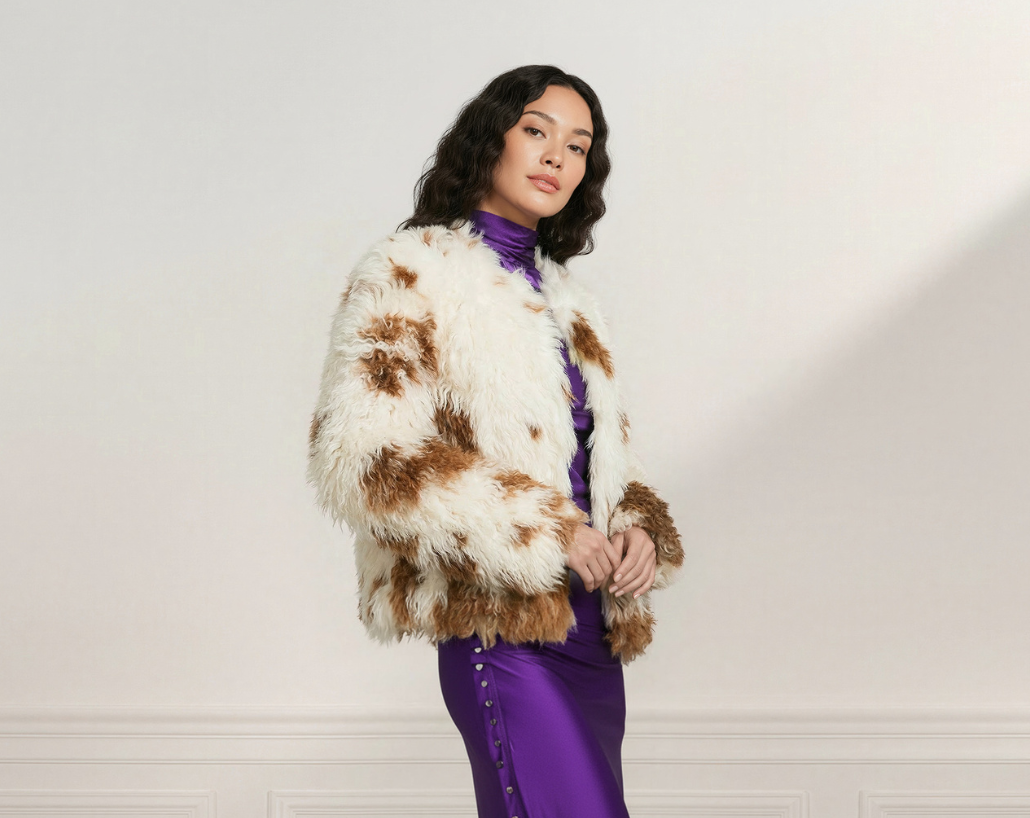
The PDP Feature Driving 65% Higher Conversions in Fashion E-Commerce
Read the full blog post
Retail Innovators | From tactical to strategic with Clair Carter-Ginn
Read the full blog post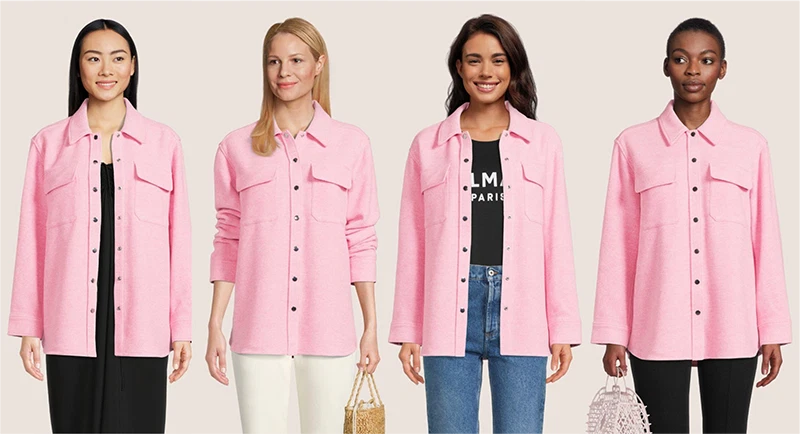
AI-generated Fashion Model Images: Data-driven & Personalized
Read the full blog post
 Four Conversion Principles for AI-Powered Fashion Imagery in 2026