AI-generated Male Models for Menswear: How to Choose in 2026
Published byEmma Campbell/November 10, 2026
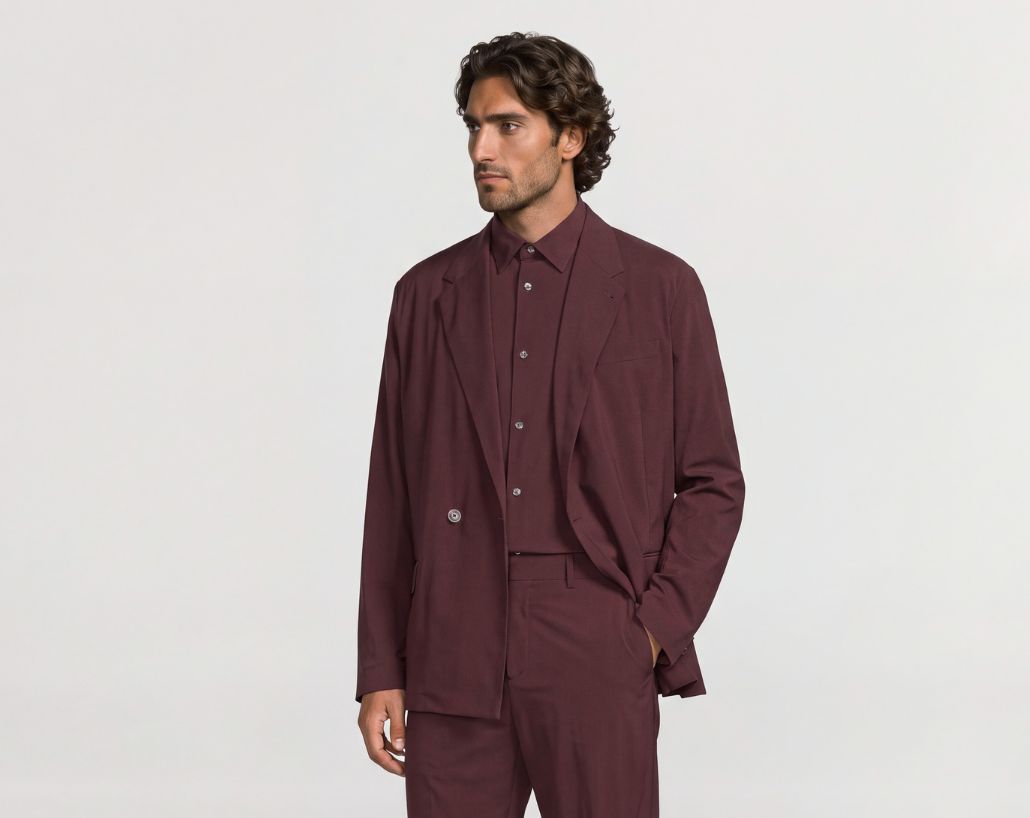



To choose AI male models for menswear, judge the output on garment accuracy first, then on size range, model library, workflow fit and compliance. The right solution keeps tailoring, fabric and color true to the product, covers the bodies your customers actually have (including Big & Tall), and labels every image for regulations such as the EU AI Act.
Menswear teams are under the same pressure as everyone else in fashion e-commerce: more SKUs, more channels, tighter budgets. AI-generated on-model imagery can cut production costs and time to market sharply. But menswear has its own demands, and not every AI tool is built to meet them. This guide covers what to evaluate, which model types fit which needs, and the questions to ask before you commit.
Menswear sells on structure and fit. A shirt is judged by its collar roll and shoulder seam. A blazer is judged by how the lapel sits and where the sleeve ends. Trousers are judged by the break at the shoe. These are small details, but they are exactly what a shopper uses to decide whether something will fit.
General-purpose AI image tools are good at producing a convincing picture of a man in a shirt. They are less reliable at producing this shirt, with its exact collar, pocket placement and fabric weight. Common failure points in menswear include:
Each of these turns into returns and lost trust. That is why AI adoption in fashion is accelerating fastest where accuracy is checked before images go live, not after.
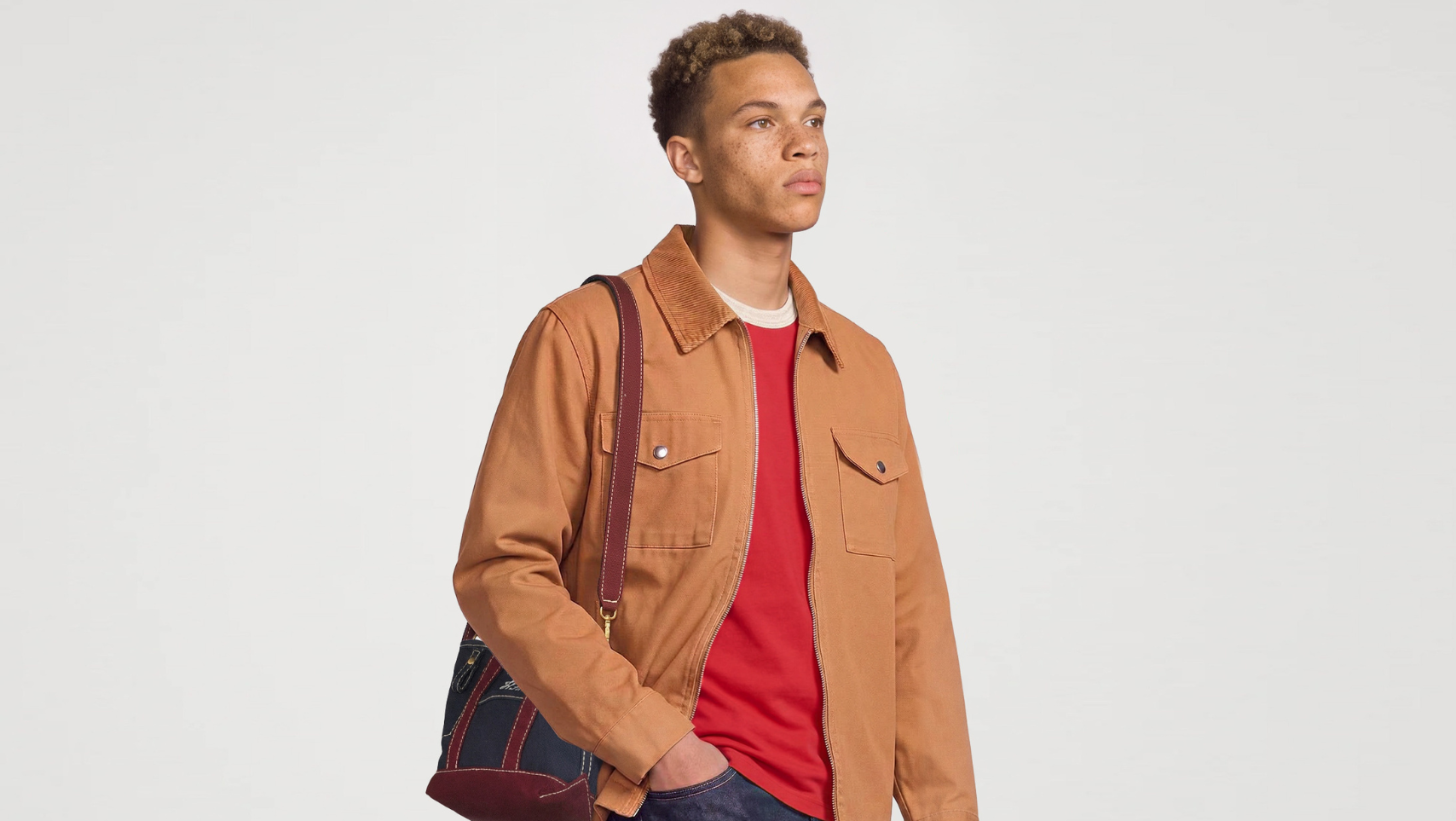
Five criteria separate menswear-ready AI imagery from generic output. Use them to compare any vendor side by side.
| Criterion | What to ask the vendor | Why it matters |
|---|---|---|
| Garment accuracy | Is every image checked against the source garment before export? | Tailoring, fabric and color errors drive returns |
| Size and body range | Do you cover Men’s Standard and Big & Tall, at the same image quality? | Many AI tools serve one or two body types only |
| Model library | Are the models real digitized people, AI-generated, or both? Can we get exclusive faces? | Determines brand consistency and differentiation |
| Workflow and throughput | How many images a day, from which inputs (ghost mannequin, flat lay, hanger)? | Decides whether AI covers the full catalog or just hero products |
| Compliance | Is C2PA metadata included on every image? | Required for AI disclosure in the EU and beyond |
Size range deserves extra scrutiny. Big & Tall is a significant menswear segment, and many AI fashion tools exclude it entirely. If your assortment runs beyond standard sizes, ask to see Big & Tall output on your own garments before you sign.
Throughput decides coverage. A solution that only scales to a few dozen images a day pushes you back into choosing which products “deserve” on-model imagery. Looklet’s Image to On-Model turns uploaded ghost mannequin, flat lay or hanger shots into 100–500 on-model images a day, which is enough to cover a full seasonal drop rather than a selection. Faster output also shortens fashion time to market.
There are three types of AI male model, and most menswear brands end up using a mix. The right balance depends on your positioning and how many SKUs you need to cover.
| Model type | What it is | Best for | Trade-off |
|---|---|---|---|
| Real digitized models | Real people captured and digitized for on-model rendering | Brands that want the familiarity of a real face and body | Smaller pool to choose from than AI-generated models |
| AI-generated models | Faces and bodies created with AI, available off the shelf | Broad range of ages, looks and body types at speed | Shared across brands unless made exclusive |
| Exclusive models | AI-generated models designed for one brand only | Premium positioning and a recognizable signature face | Longer setup; best suited to long-term use |
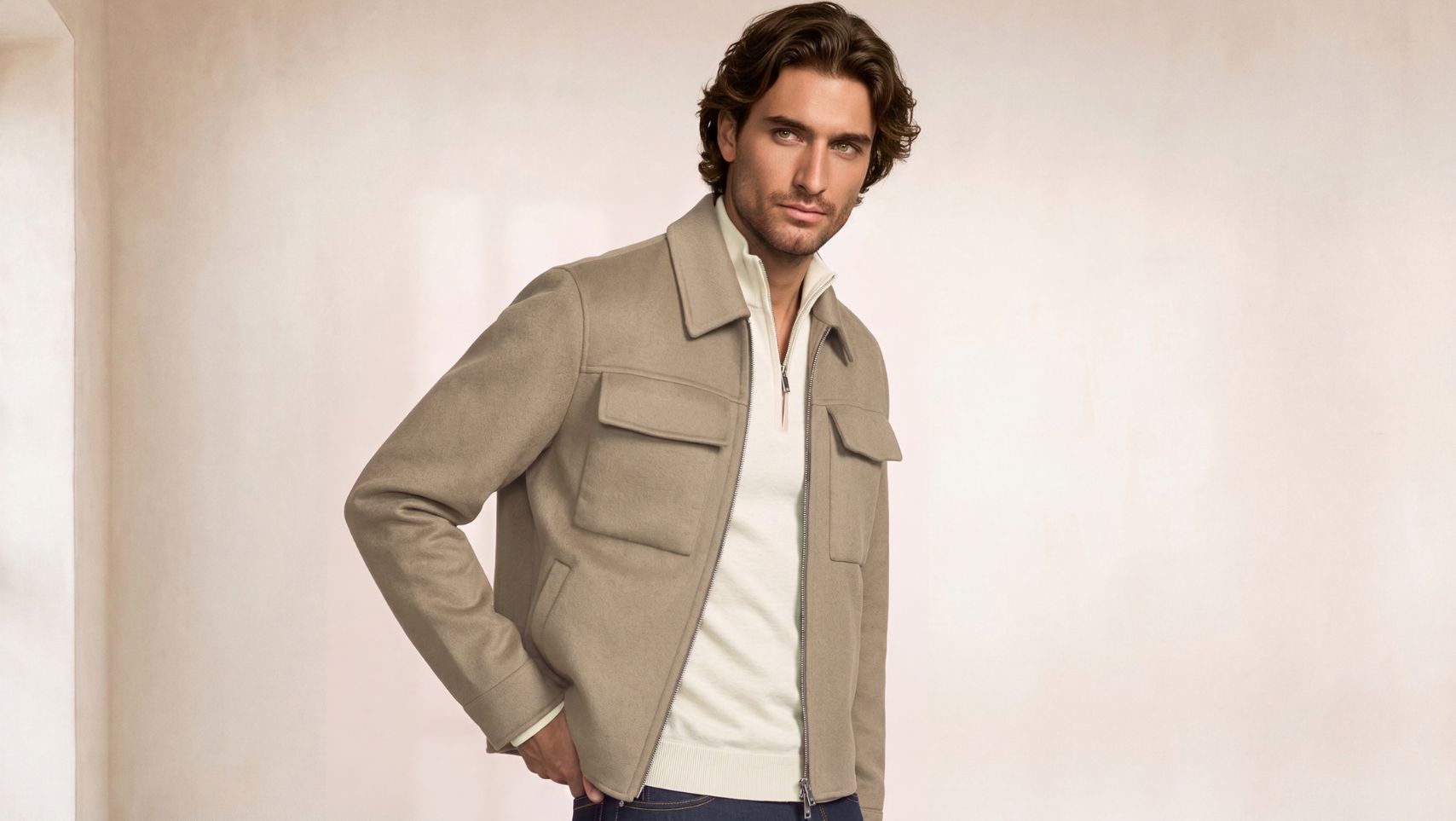
Looklet’s library combines about 70 real digitized models with 73 AI-generated models, with menswear covered in both Men’s Standard and Big & Tall. Brands that want a face no competitor can use can develop exclusive models, built around their own brand identity, visual direction and customer profile.
Consistency matters as much as choice. Keeping the same models across a season’s assortment is what makes a category page look like one brand rather than a collage. For more on why that matters commercially, see what McKinsey’s State of Fashion 2026 means for your content strategy.
Yes, in the EU. Since 2 August 2026, Article 50 of the EU AI Act requires AI-generated images that could pass as real to be disclosed, and requires AI providers to mark outputs in a machine-readable way. Realistic on-model imagery falls squarely in scope, and the rules apply to any brand selling to EU shoppers, wherever it is based (Kingsley Napley).
In practice, that means two things to check with any vendor:
Most AI image platforms don’t disclose any C2PA or watermarking approach. For enterprise menswear retailers selling across markets, that gap is a real risk, not a footnote.
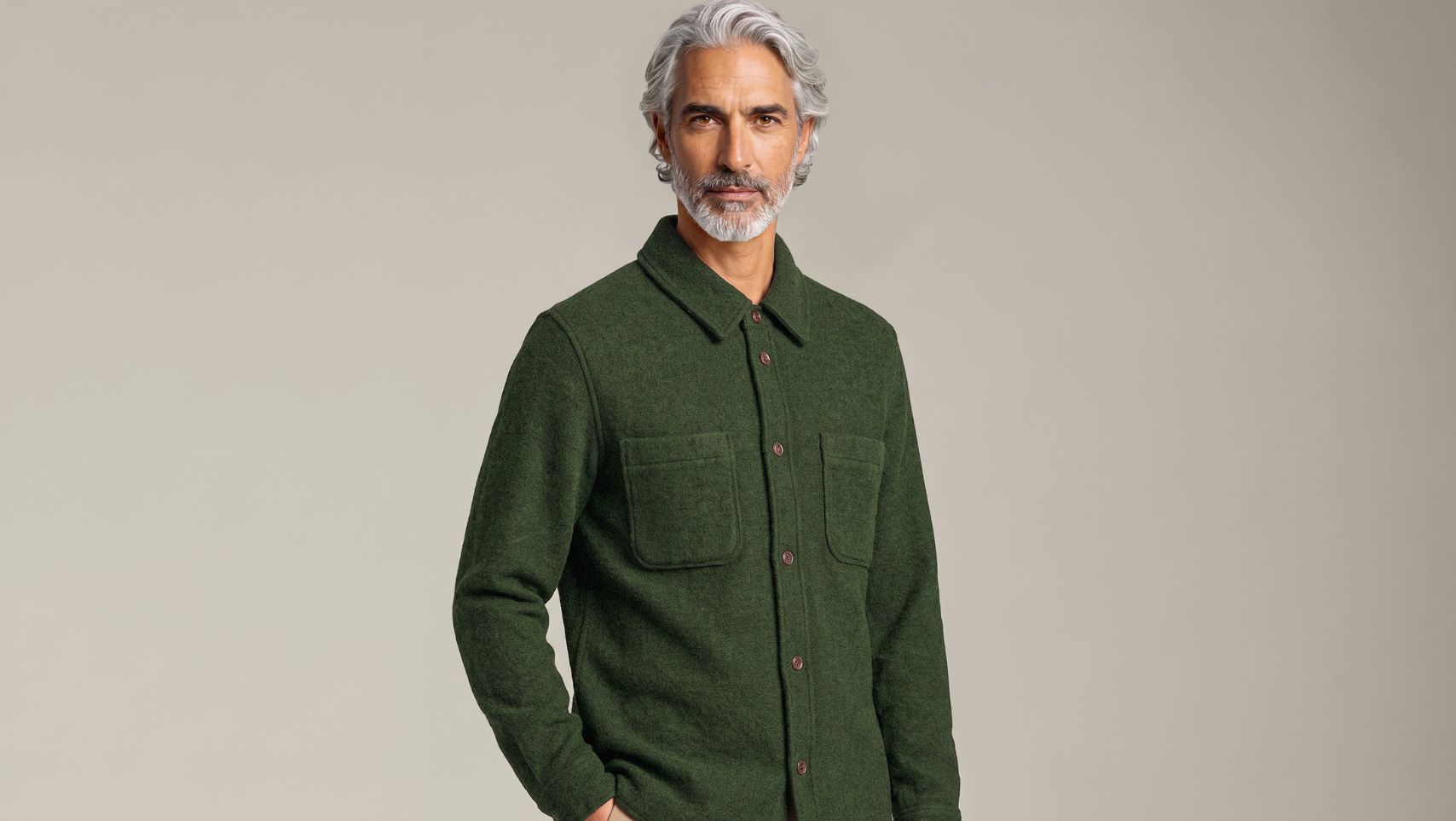
Can AI male models replace a menswear photoshoot? For most e-commerce product imagery, yes. Ghost to model AI turns ghost mannequin, flat lay or hanger shots into on-model images without a photographer, model or studio booking. Many brands keep live shoots for campaigns and use AI for the full catalog.
Do AI-generated male models work for Big & Tall? Only if the vendor has built for it. Many AI fashion tools cover one or two body types. Looklet covers Men’s Standard and Big & Tall at the same image quality.
How accurate are AI-generated male models with tailoring and fabric? It depends on the process, not just the AI. Look for a quality control step that checks collars, lapels, fabric texture and color against the source garment before images are exported.
What is the difference between AI-generated and exclusive AI models? AI-generated models are available to any brand on the platform. Exclusive models are designed for one brand only, so no competitor can use the same face.
Do AI male models need to be labeled? In the EU, yes. Since 2 August 2026, the EU AI Act requires realistic AI-generated images to be disclosed. C2PA metadata on every image makes that easier to manage.
The best AI-generated male models for menswear are the ones your customers can’t tell apart from the product in the box. That means accuracy checked before export, a size range that matches your assortment, a model library you can make your own, and compliance built in.
Looklet Enterprise gives menswear teams both routes in one solution: Enterprise Studio for full production control, and Image to On-Model for turning existing product shots into on-model imagery at scale. Every image is powered by AI and perfected by Looklet’s quality control team.
What is the difference between AI-generated and exclusive AI models? AI-generated models are available to any brand on the platform. Exclusive models are designed for one brand only, so no competitor can use the same face.
Do AI male models need to be labeled? In the EU, yes. Since 2 August 2026, the EU AI Act requires realistic AI-generated images to be disclosed. C2PA metadata on every image makes that easier to manage.
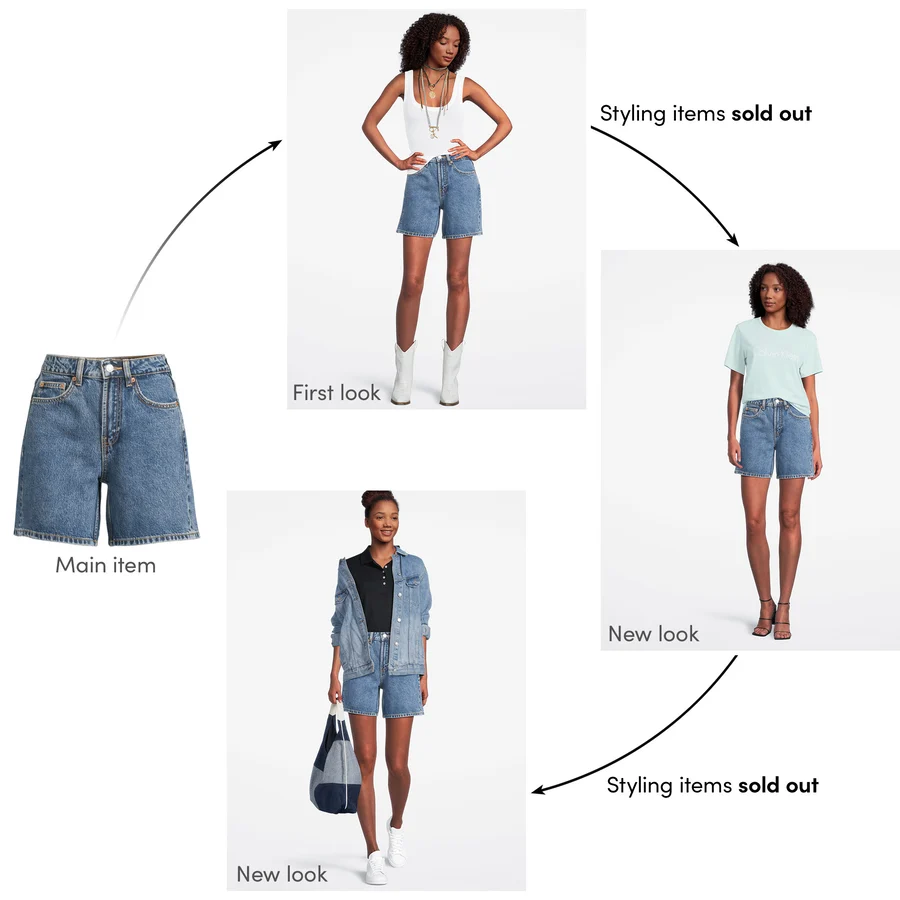
Looklet’s Game-Changing Approach to Managing Product Availability
Read the full blog post
Looklet and Creative Force partner to Streamline eCommerce Content Production
Read the full blog post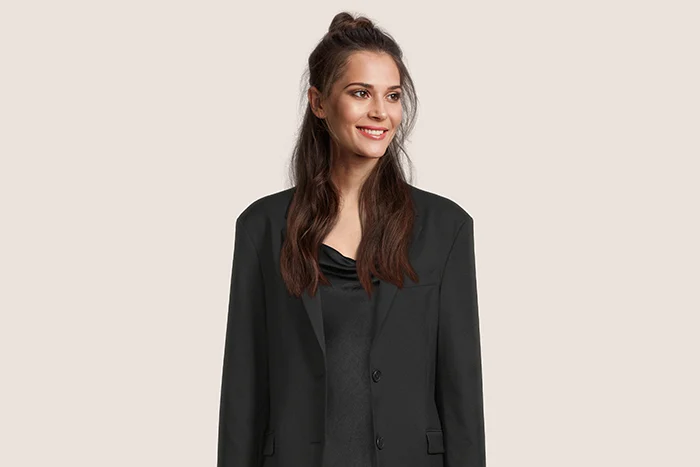
How retailers can upgrade images & boost conversions
Read the full blog post