How Product Imagery Affects Return Rates in Fashion E-Commerce
Published byEmma Campbell/October 23, 2026
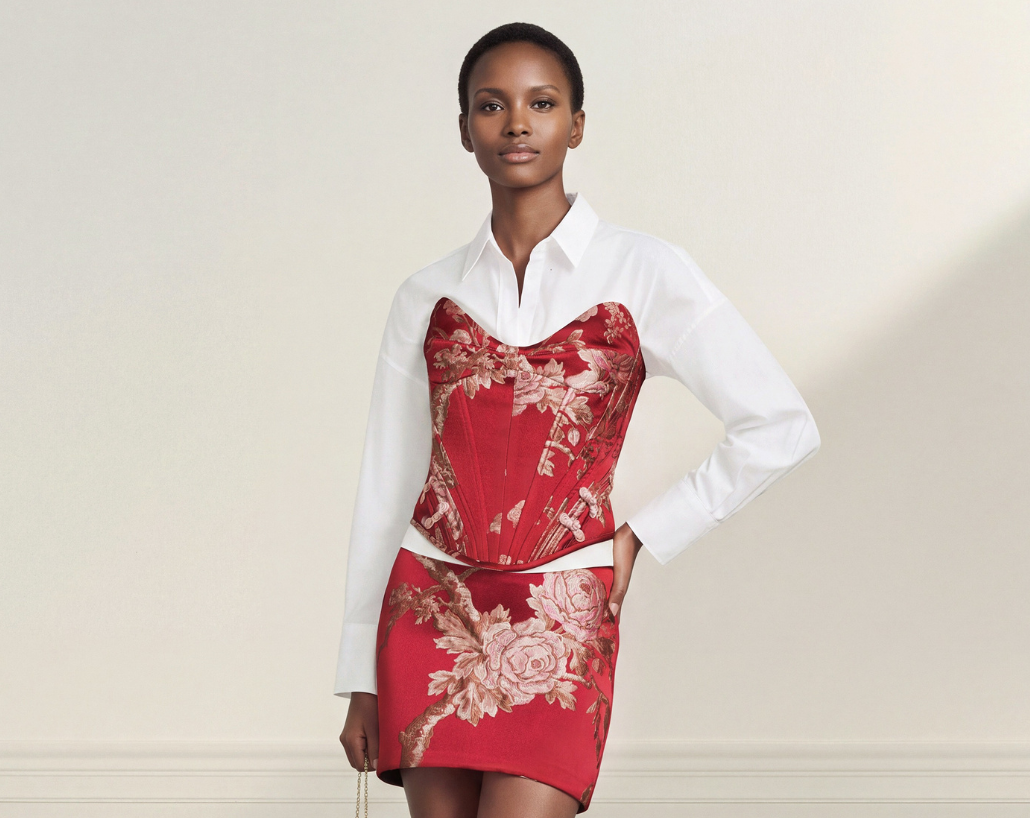



Product imagery affects return rates because it sets the expectation the delivered garment is judged against. When images misrepresent fit, color, fabric or proportion, shoppers send the item back as “not as expected.” Accurate, consistent on-model imagery shown from multiple angles, ideally with motion, narrows that gap and reduces avoidable returns.
Every return starts as a mismatch between what the customer saw and what arrived in the box. In fashion, that mismatch is expensive: apparel is the most-returned category online, and every item that comes back has already been shipped, picked and paid for once.
Not every return can be prevented. Shoppers will always order two sizes or change their minds. But a meaningful share of returns traces back to the product detail page (PDP), and that share is within a retailer’s control. This article looks at how big the problem is, where imagery causes it, and what return-reducing imagery looks like when you need it across an entire catalog.
Online returns run at roughly one in five orders, and apparel sits well above that. US retailers expected $849.9 billion in returned merchandise in 2025, with an estimated 19.3% of online sales sent back, according to the National Retail Federation and Happy Returns. Coresight Research put the US online apparel return rate at 24.4% in its 2023 study.
The cost goes well beyond the refund. Each return means a second shipment, handling and inspection, repackaging, and often a markdown, because seasonal stock loses value while it is in transit.
The scale adds up quickly. A retailer selling 100,000 garments online a year at a 25% return rate handles 25,000 items coming back. Bringing that rate down by even a few points is a direct margin gain.

Sizing is the top reason, but product imagery is close behind and often behind the sizing problem too. In a survey of more than 1,000 US shoppers by Akeneo, clothing was the most-returned product. Sizing issues led the reasons at 58%, while 34% cited misleading product images and 29% pointed to inaccurate product information. 62% said more accurate product information up front would make them less likely to return.
The line between “didn’t fit” and “didn’t look like the picture” is thinner than return codes suggest. A shopper who couldn’t see how a dress sits on a body like theirs, or how long a coat really is, will log a fit return. The root cause is still what the PDP showed.
These are the most common gaps between image and garment:
| Image gap | What the shopper assumes | How the return gets logged |
|---|---|---|
| Color shifted in lighting or editing | The shade they saw is the shade they’ll get | Not as expected / color |
| Fabric texture smoothed out | A heavier, softer or more structured material | Quality not as expected |
| One angle only | The back, side and fit look like the front | Fit / not as expected |
| Model doesn’t match the shopper’s size | The cut will fall the same way on them | Fit / sizing |
| Styling items in shot are unclear | Accessories or layers are part of the product | Not as described |
| Inconsistent shots across the catalog | Similar items are directly comparable |
Return-reducing imagery answers the shopper’s questions before they order. Five qualities do most of the work.
Motion has a measurable commercial effect. Holt Renfrew saw a conversion increase of around 30% after adding AI video to its product pages. Better-informed buyers convert more, and they are also more likely to keep what they buy.
Most retailers already know what good imagery looks like. The problem is producing it for every SKU, every season. Traditional on-model shoots need studio time, models, styling and retouching per item, so budgets go to hero products. The long tail gets a single flat lay or ghost shot, and that is exactly where expectation gaps and avoidable returns build up.
AI changes the economics. Ghost to Model workflows turn existing ghost mannequin or flat lay images into on-model imagery, with additional angles and video generated from the same assets. Coverage can extend to the full assortment without a new shoot for every item. Our piece on fashion time-to-market covers the speed side of that shift.
There is a catch. Generic AI tools can shift a neckline, smooth a texture or drift a color. Imagery that misrepresents the garment speeds up production while raising returns. The approach matters as much as the technology:
| Approach | Catalog coverage | Accuracy risk | Cost per SKU |
|---|---|---|---|
| Traditional on-model shoots | Hero products only | Low | High |
| Generic AI image tools | Full catalog | High: garment details can drift | Low |
| Fashion-specific AI with quality control | Full catalog | Low: output checked against the source garment | Low |
For more on why adoption is accelerating, and what separates commercially ready output from generic AI content, see AI adoption in fashion e-commerce.
Looklet produces true-to-garment on-model imagery at catalog scale, cutting production costs by 40–50% and time to market by up to 88% compared with traditional studio photography.
Looklet has produced more than 7 million assets for retailers including Holt Renfrew, Stockmann and The Very Group.
What is the average return rate for online clothing? Online apparel return rates in the US are around 24%, according to Coresight Research. That is above the 19.3% average across all online purchases reported by the NRF for 2025.
Can better product images really reduce returns? Yes, for returns caused by unmet expectations. In Akeneo’s shopper survey, 34% cited misleading product images as a reason for returning, and 62% said more accurate product information would make them less likely to return.
Does on-model imagery reduce returns more than flat lays or ghost mannequin shots? On-model imagery shows proportion, drape and fit on a body, which flat lays and ghost mannequin images cannot. That extra context helps shoppers choose the right size and style before ordering.
Is AI-generated product imagery accurate enough for fashion e-commerce? It depends on the tool. Fashion-specific AI with quality control against the source garment can be true to the product. Generic tools that skip that check risk altering color, texture or shape, which can increase returns.


How to improve your online rates for Childrenswear
Read the full blog post
How Tech can help Fashion Retailers overcome rising costs
Read the full blog post
Does AI Video Actually Convert on Product Pages? Here’s What Holt Renfrew’s Data Shows
Read the full blog post