Looklet AI & Fashion Imagery Glossary
Published byEmma Campbell/September 30, 2026
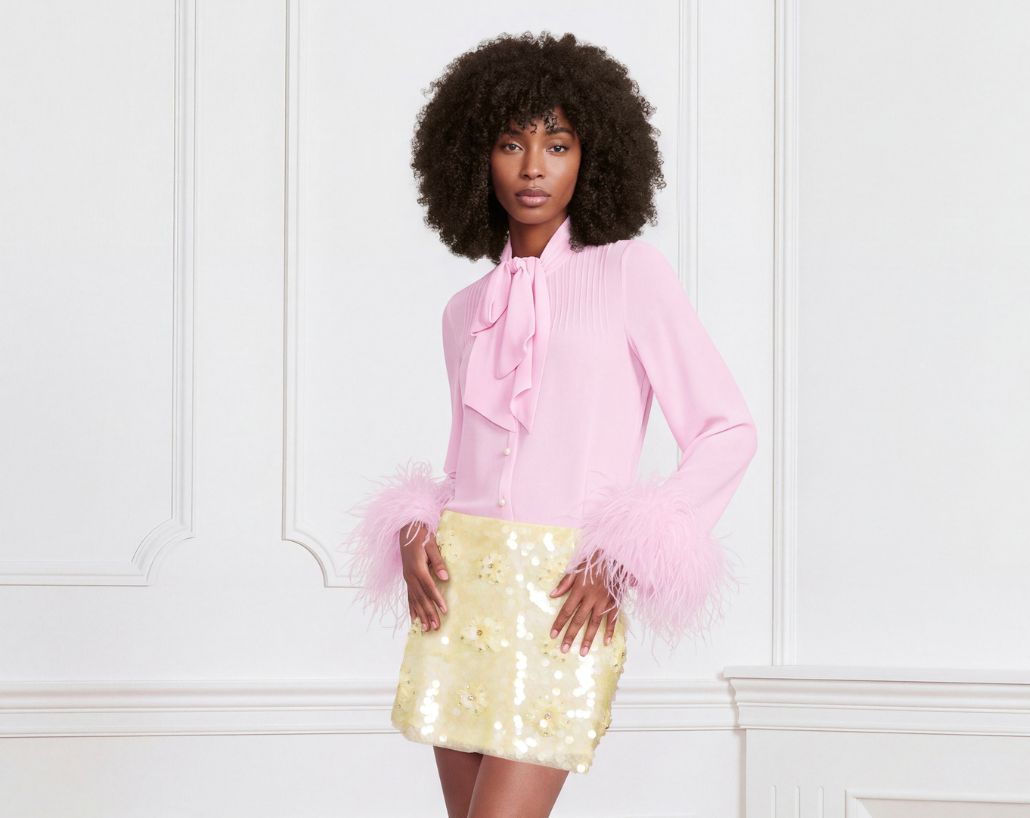



AI fashion imagery is product photography in which AI turns images of a garment, such as a ghost mannequin, flat lay or hanger shot, into photorealistic images of that garment worn by a model. The terms below cover the image types, techniques and standards fashion e-commerce teams need to know when producing on-model imagery at scale.
The vocabulary of fashion content production has grown quickly. Terms that used to belong to the studio now sit alongside terms from AI, search and regulation, and they are often used loosely. This glossary gives plain definitions, grouped by where each term fits in the production process, so teams, buyers and partners can work from the same language.
Ghost mannequin (invisible mannequin) A product photo taken on a mannequin that is then removed in post-production, leaving the garment with a natural three-dimensional shape but no visible form inside it. Ghost mannequin images show fit and structure better than flat lays and are one of the most common inputs for AI on-model generation.
Flat lay A product photo taken from above with the garment laid flat on a surface. Flat lays are quick and inexpensive to shoot, but on their own they show little about how a garment fits or drapes on the body.
Hanger shot A product photo of a garment on a hanger, usually against a plain background. It is common for outerwear and dresses and can be used as an input for AI on-model imagery.
Packshot (product shot) A clean, standardized image of a product on a plain background, typically used on product listings and marketplaces. In fashion, the term covers flat lays, ghost mannequin and hanger images.
Vendor images Product images supplied by the brand or manufacturer rather than shot by the retailer. Retailers can use them as source images for AI on-model imagery instead of shooting every item themselves.

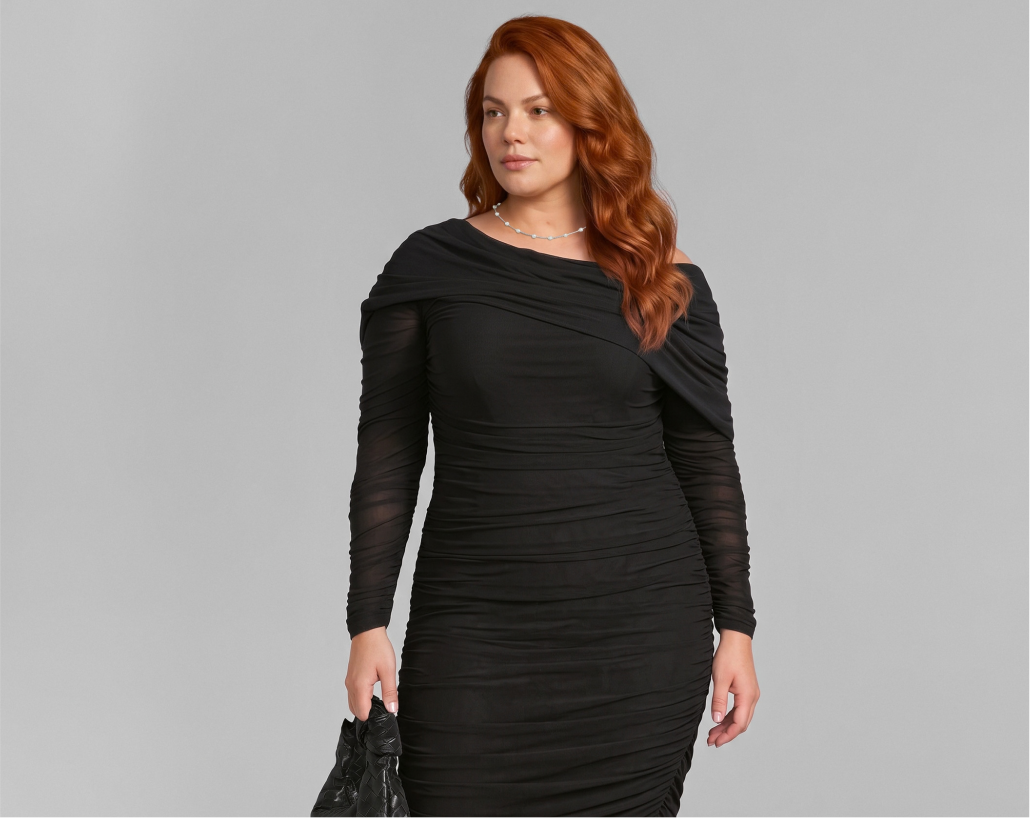
On-model imagery Images that show a garment worn by a model. On-model imagery helps shoppers judge fit, proportion and styling, and is widely treated as the standard for fashion product pages.
PDP (product detail page) The page on an e-commerce site dedicated to a single product, with its images, description, sizes and price. It is often the first page a shopper lands on from search, social or ads, and it is where most purchase decisions happen.
Multi-angle imagery A set of images showing a product from several viewpoints, typically front, back and side, plus close-up crops of details such as fabric or fastenings.
Marketplace-ready imagery Images adapted to the requirements of marketplaces such as Amazon, Zalando or AboutYou, which often specify backgrounds, framing and dimensions. With AI, the same image can be adapted for several marketplaces without a reshoot.
Ghost to model An AI process that turns ghost mannequin, flat lay or hanger images into photorealistic on-model imagery. It removes the need for a model shoot for every item, which cuts production cost and shortens time-to-market. Also called image to model or image to on-model.
AI-generated model A digital model created with AI rather than photographed. AI-generated models give retailers a wider and more flexible range of faces, body types and ages without booking talent for each shoot.
Digitized model A real person who has been photographed and digitized so that their likeness can be used in AI-generated imagery under agreed usage terms. It gives brands the realism of a real person with the flexibility of AI production.
Exclusive model A custom model, AI-generated or digitized, reserved for a single brand. Exclusive models help premium and luxury brands build a distinctive, recognizable look that competitors cannot use.
AI body sizing The ability to show the same garment on different body types, such as standard, plus size, big & tall or maternity, without separate shoots. It helps retailers represent their full size range consistently.
Restyling Changing how a look is styled, for example the shoes, accessories or pairing items, without reshooting. Retailers use it to refresh imagery for a new season, replace out-of-stock items or run A/B tests.
Styling template A saved set of rules for how images should look, covering models, poses, framing, lighting and backgrounds. Templates keep output consistent across thousands of products and many stylists.
AI fashion video Short motion content generated from existing on-model images, showing how a garment moves, falls and fits. It adds the sense of movement that still images lack without a separate video shoot. Read more in AI videos in e-commerce.

Garment accuracy (true-to-garment) How closely an AI-generated image matches the real product in cut, length, texture, pattern and color. It is the most important quality measure for PDP imagery, because inaccurate images lead to returns.
Color drift A shift in a garment’s color between the source image and the final image, or between images in the same series. Even small drift can mislead shoppers and drive color-related returns.
Quality control (QC) The review step that checks AI output against the source garment before images are published. In fashion-built platforms it is part of the workflow rather than left to the user.
C2PA metadata Data embedded in an image, based on the open C2PA standard, that records how the image was created, including whether AI was used. It gives retailers a verifiable record that supports AI disclosure and transparency requirements.
AI disclosure Telling customers that an image was created or altered with AI, for example through a label on the product page. Requirements vary by market and are becoming more common.
Time-to-market The time from a product arriving at the studio or warehouse to it being live and sellable online. AI on-model imagery can cut this from weeks to days. See how AI is compressing fashion time-to-market.
Image throughput The number of publish-ready images a team can produce in a given period, usually per day. It is one of the clearest ways to compare production setups.
GEO (Generative Engine Optimization) Optimizing content so it is selected and summarized by AI-driven search and assistants, not just ranked in traditional search results. Engaging, clear product content such as video can strengthen those signals. More in why AI video is powering GEO.
AEO (Answer Engine Optimization) Structuring content so AI assistants and answer engines can lift it as a direct answer to a question. Clear definitions, direct answers and FAQs are the formats that work best.
Generative search Search in which the results are AI-generated answers or recommendations rather than a list of links. It changes how shoppers discover products and brands.
The language matters because the choices behind it matter. Whether you start from ghost mannequin or flat lay, use digitized or AI-generated models, and build quality control into the workflow or leave it to chance all shape how accurate, consistent and cost-effective your imagery turns out to be. For the wider business picture, see why AI adoption is accelerating across fashion e-commerce.
Looklet has combined fashion expertise and technology since 2009. Our ghost to model solution turns the images you already shoot into accurate on-model imagery, across womenswear, menswear, plus size, big & tall, maternity and kidswear, with C2PA metadata on every image.

Digital Fashion: Shaping the Future of Apparel Retail
Read the full blog post
The Role of Virtual Dressing Room Technology in Sustainability
Read the full blog post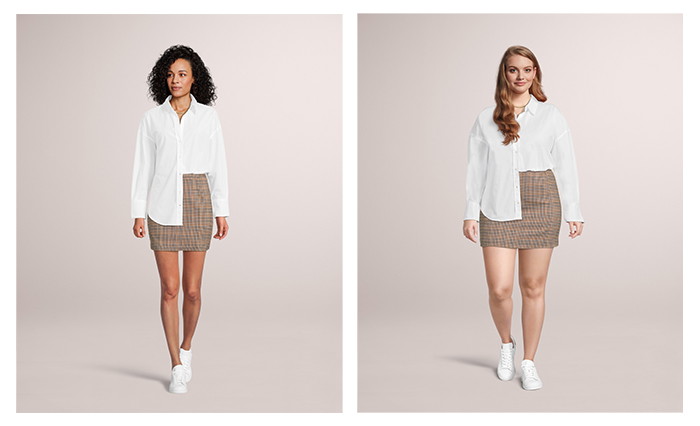
Body Diversity in your PDP for inclusivity and increased sales
Read the full blog post