Sell the outfit, not the item: What Shop the Look imagery does for basket size
Published byEmma Campbell/November 24, 2026
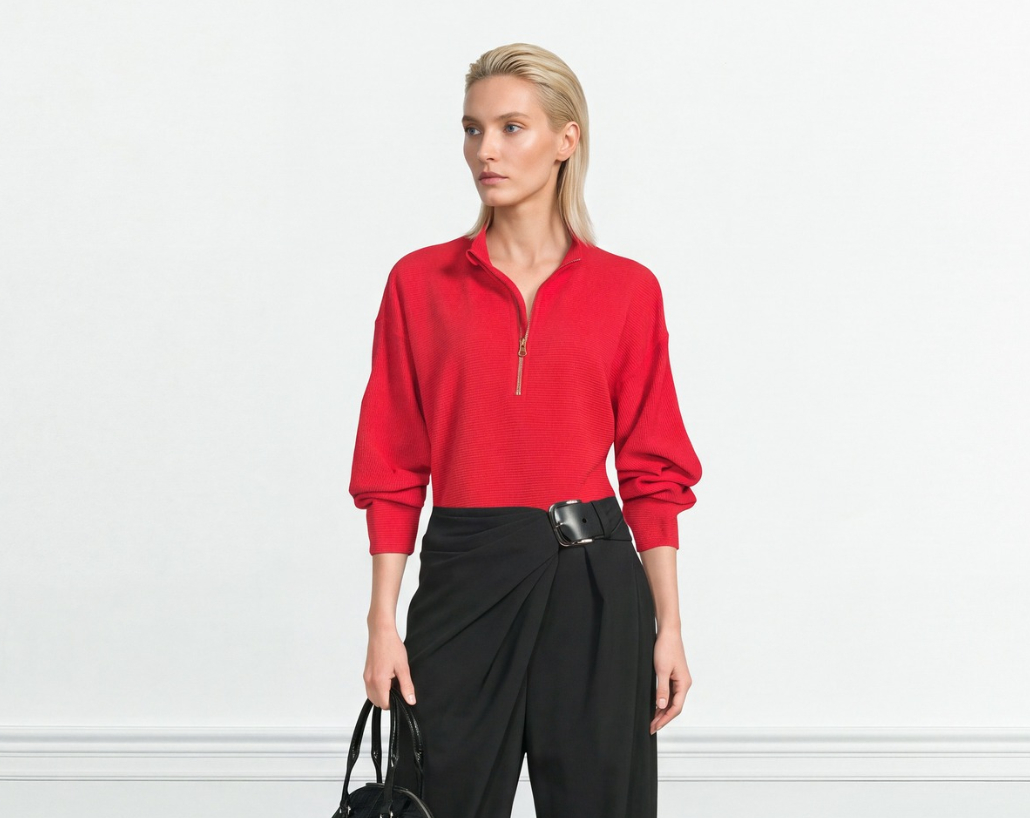



Most fashion product pages are built to sell one thing. A shirt, shot on its own or on a model wearing neutral trousers nobody can buy. The customer adds it to their cart, or doesn’t, and the session ends there.
But people don’t get dressed one item at a time. They buy outfits, even when they shop for pieces. Shop the look closes that gap by showing products the way customers actually picture wearing them, and then making every item in the picture easy to buy.
Shop the look is a merchandising format where a product is shown styled as part of a complete outfit, with every item in the image linked and purchasable. It usually appears on product detail pages (PDPs), category pages, campaign landing pages and in email.
The idea is simple. A customer who likes the blazer can see the trousers, shoes and bag it was styled with, and add any of them in a click or two. The image does the styling work a good shop assistant would do in store.
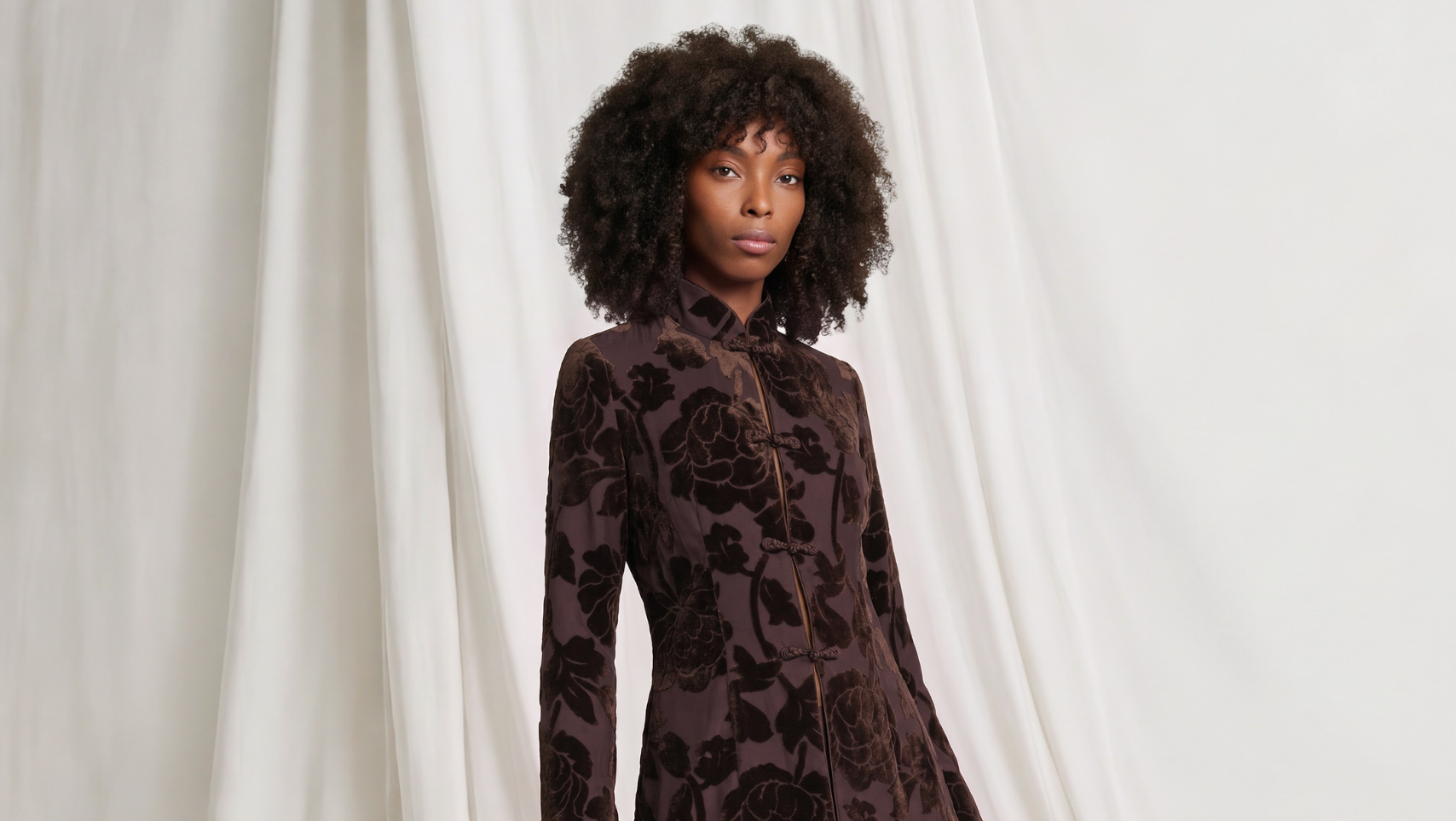
Average order value (AOV) grows in two ways: more items per order, or higher-value items per order. Shop the look supports both.
It turns one purchase into several. When complementary items are already in the frame, the customer doesn’t need to go looking for them. Every extra search, filter or page is a point where people drop off. Removing those steps makes the second and third item a much smaller decision.
It answers “what do I wear this with?” Uncertainty about styling is one of the quiet reasons people abandon a product. A complete look removes that doubt and gives the customer confidence in the main item as well as the add-ons.
It shows the product in context. On-model imagery consistently outperforms flat or ghost images on conversion. In Looklet’s experience, moving from ghost to on-model imagery lifts conversion by 20 to 30%. Styling the model in a full outfit builds on that by showing fit, proportion and mood together.
It sells the range, not just the bestseller. Pairing a high-traffic item with lower-traffic pieces gives those products visibility they would never get on their own. That helps sell-through across the collection, not just basket size.
It builds brand authority. A considered look tells the customer the brand has a point of view. That perception supports full-price selling and repeat visits.
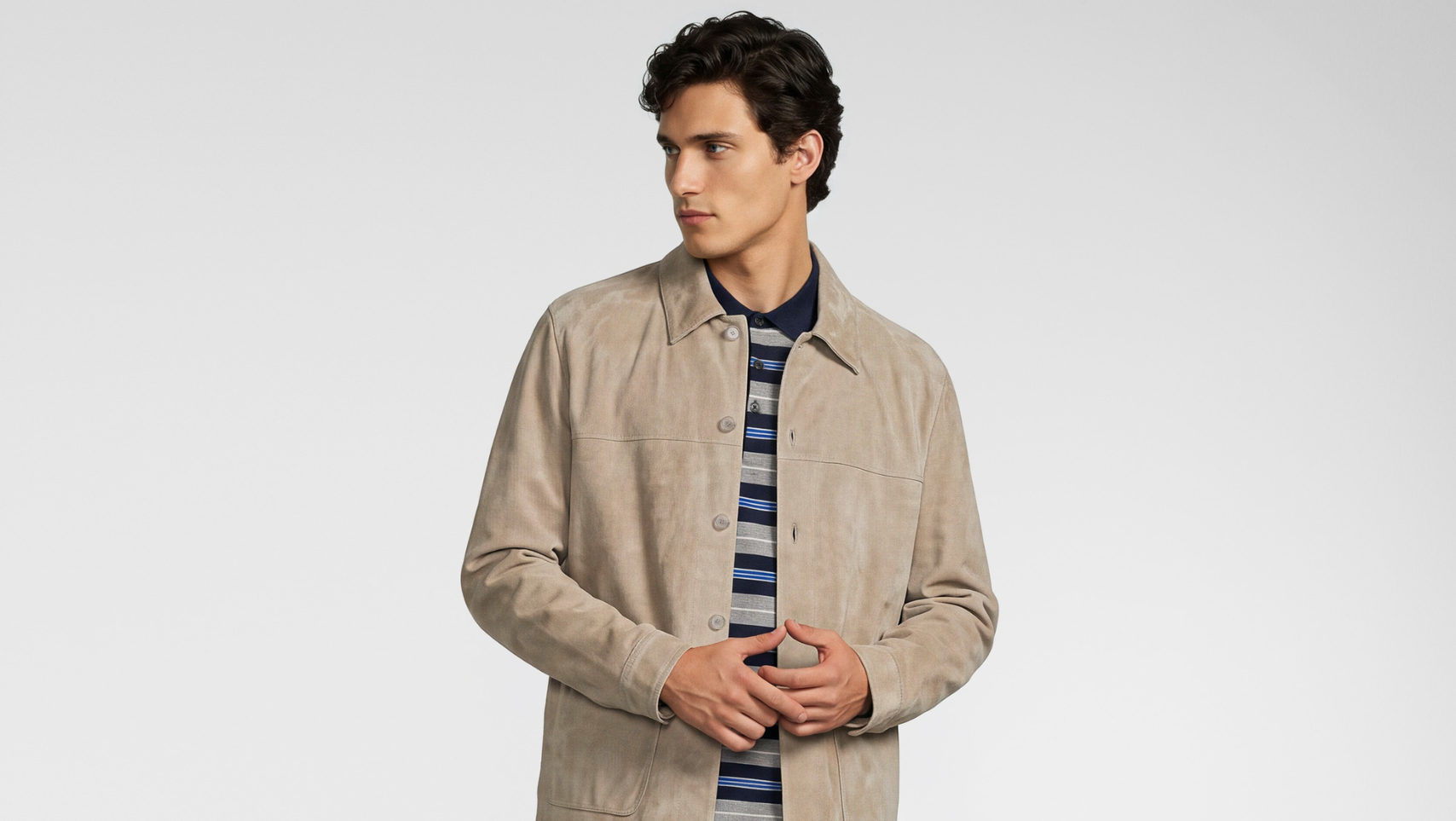
The PDP is the obvious place, usually as a “complete the look” module below or beside the main gallery. But the format earns its keep in other places too:
The common thread: the look should feel curated. Automated recommendations based purely on purchase data can be useful, but they rarely look like an outfit anyone would wear.
If shop the look works, why doesn’t every retailer use it across the full assortment? Because it has traditionally been expensive to produce.
Every look needs a model, a stylist, a photographer and samples of every item in the outfit, all in the same place at the same time. Change one item, or sell out of one, and the image is out of date. Most teams end up styling a small share of the range for campaigns and leaving everything else as single-item shots.
Digital production changes that calculation. With Looklet, brands style outfits on digital models using their existing product images. Items can be combined, swapped and restyled in software, so a look can be rebuilt when stock changes or a new season lands. Clients typically see 40 to 50% lower production costs and up to 88% faster time to market, which makes styling the full assortment realistic rather than aspirational.
It also makes consistency easier. Every look can follow the same styling rules, poses and model choices, so the site feels like one brand rather than a mix of shoots.
At Looklet, every look starts with the main item. Styling items are added to it, such as tights, a jacket and boots, and the result is one complete on-model image of the full outfit.
The outfit’s product data comes with the image. Each look is delivered with a small data file under the same name. It lists every item in the outfit, together with details like designer, category and the model used. That file holds the information Looklet generates and the product data the brand already has, for every item in the look.
Because the data travels with the image, the site knows which products appear in it. Brands can fill a “wear it with” module on the product page automatically, with no manual tagging. Holt Renfrew uses this setup on its product pages. A Perfect Moment ski sweater is shown styled with the brand’s tights and puffer jacket and Moon Boot boots, and each piece is linked and ready to buy.
The file can carry custom fields too, such as campaign dates, internal references or merchandising tags. Shop the look then fits into the brand’s existing workflow instead of becoming a separate project.
Shop the look is easy to test because the outcome is commercial and measurable. Track these before and after rollout, ideally with an A/B test on a defined set of PDPs:
Start with a category where outfits come naturally, such as outerwear, tailoring or occasionwear, and expand from there.
Customers already shop in outfits. Shop the look simply lets your imagery meet them there. The format has always worked; what held it back was the cost of producing it at scale. That barrier is now much lower, which makes it one of the most direct ways to grow basket size without spending more on traffic.
What is shop the look in e-commerce? A merchandising format that shows a product styled in a complete outfit, with each item in the image linked so customers can buy several pieces at once.
Does shop the look increase average order value? Yes. By showing complementary items together and making them easy to add, it raises the number of items per order and reduces the effort of building an outfit.
Do I need a photoshoot for every look? Not anymore. Digital styling lets brands create outfit imagery from existing product images and update looks when the assortment changes.
Where should shop the look appear? Most often on product pages, but it also performs well on category pages, campaign landing pages, email and in the cart.
How are the items in a look linked to products? With Looklet, each look image comes with a data file. It lists every item in the outfit, so your site can link each piece to its product page automatically. Find our full documentation here.

From One Week to One Day: How AI Is Compressing Fashion E-Commerce Time-to-Market
Read the full blog post
Retail Innovators | Saks Fifth Avenue’s Ali McLeod Talks Future of E-Commerce Operations
Read the full blog post
The Benefits for Online Brands and Retailers of Using Virtual Try-On
Read the full blog post