Why AI Video Is Powering GEO – and What Fashion Retailers Need to Do About It
Looklet AI VideoBrands without video on their PDP are already falling behind
Published byEmma Campbell/June 11, 2026
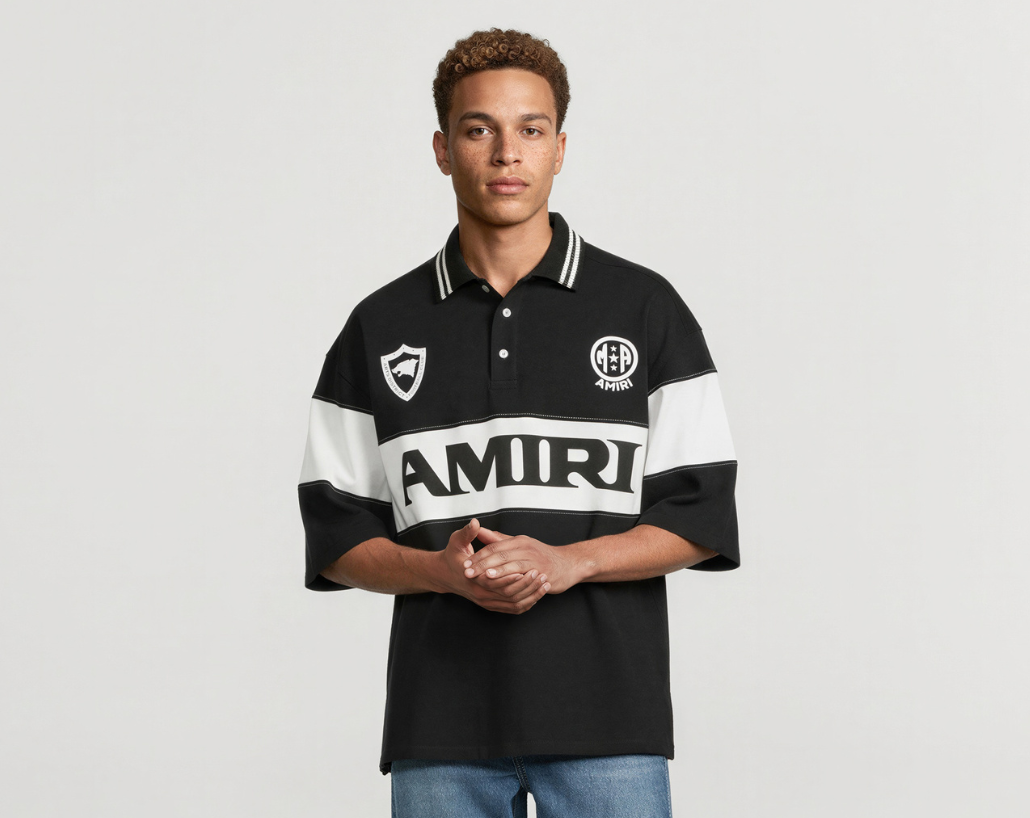



GEO (Generative Engine Optimization) refers to optimizing content for AI-driven discovery environments such as generative search, assistants, and recommendation systems. Instead of ranking pages purely on keywords and backlinks, these systems evaluate how effectively content satisfies intent, how clearly products are presented, and how users interact with the experience. In practice, content is no longer judged only by what it says, but by how it performs.
SEO is built around indexing and ranking. GEO is built around selection and synthesis. Where SEO asks whether a page matches a query, GEO asks whether the content is useful enough to be included in a generated answer.
Keywords and metadata still matter, but they are no longer sufficient. Instead, engagement becomes the real differentiator. Content that holds attention and reduces friction is more likely to be surfaced, summarized, and recommended.
This shift toward engagement is not theoretical. As a matter of fact, 85% of marketers report that video marketing effectively boosts brand engagement, and 43% of video marketers identify engagement as the single most important metric to track. The reason is straightforward: engagement reflects whether content drives action, not just attention. In a GEO context, that distinction directly impacts whether content is surfaced or ignored.
Product detail pages now influence how products are discovered. AI systems prioritize behavioral signals that indicate relevance and user value, and video is a direct driver of those signals. When shoppers engage with motion content:
This redefines the role of product content. What matters is not only how a product is described, but how it is experienced. PDPs that create clarity and engagement signal higher quality, driving conversion while increasing visibility in AI-driven discovery.
Motion does what static content cannot. AI fashion product video answers the questions that normally block decisions, such as fit, proportion, fabric, and movement. That clarity eliminates ambiguity and drives action.
Beyond conversions, video also holds attention longer, reducing bounce rate, and drives deeper interaction. Search engines and AI systems interpret sustained engagement as relevance. Pages that retain attention are more likely to surface, gain rich previews, and rank higher. AI fashion product videos also expand visibility directly through thumbnails that increase click-through.
This creates a compounding effect: better engagement leads to stronger signals, stronger signals increase visibility, and increased visibility drives more qualified traffic. Motion does not just improve the product experience – it determines whether the product gets discovered.
If video is so effective, why is it not universally implemented across fashion catalogs? The answer is operational reality. Traditional video production is built around physical constraints:
Each SKU requires incremental effort. Each variation adds cost. Each update introduces delay. For large assortments, this creates a bottleneck. Brands are forced to prioritize:
This creates inconsistency in both experience and performance. From a GEO perspective, it also means that only a fraction of the catalog is optimized for discovery. In an environment where scale matters, that is a structural limitation.
AI removes the dependency on physical production for motion content. By generating AI fashion product video from existing image assets, brands can extend motion across the entire assortment without introducing a parallel production pipeline. This changes the equation in several ways:
Instead of asking which products “deserve” video, brands can apply video as a standard layer across the PDP.
AI video functions as infrastructure rather than a single content format. When deployed across the customer journey, its impact compounds at every touchpoint:
The effect is cumulative. Stronger content drives deeper engagement. Deeper engagement improves visibility. Greater visibility brings in higher-intent traffic, leading to better conversion outcomes.
For most fashion retailers, the barrier is not understanding the value of video. It is integrating it without adding operational complexity. Looklet’s AI Video-solution is designed to work from the assets brands already produce. A practical implementation typically follows three steps:
Because the process is software-driven, updates can be applied continuously. New products, seasonal changes, and assortment expansions can all be supported without introducing production delays.
The question is not whether to use video, but how to do it at scale without breaking margins. AI video turns product content from a production cost into a growth lever. It enables consistent, high-quality motion across large assortments, without the traditional trade-offs in speed or budget. For fashion e-commerce brands operating under constant pressure from complexity, time, and margin, that shift is fundamental.
Curious how AI fashion product video is changing performance for fashion brands? Read more here.
Sources

How Tech can help Fashion Retailers overcome rising costs
Read the full blog post
Looklet and Creative Force partner to Streamline eCommerce Content Production
Read the full blog post
Find Your Perfect Looklet Fit
Read the full blog post
 What McKinsey’s State of Fashion 2026 Means for Your Content Strategy